Category: Uncategorized

  • Common Driving Test Fails UK 2026: The Ultimate Guide to Passing First Time

    Common Driving Test Fails UK 2026: The Ultimate Guide to Passing First Time

    What if the difference between passing your driving test and failing it came down to a few common mistakes? In the UK, 2026 has revealed some surprising trends in driving test failures, with many learners stumbling over the same hurdles. Understanding these common driving test fails UK 2026 can give you the edge you need to succeed. We know test day can feel overwhelming, and it’s normal to be anxious about making minor errors or incurring major faults that can lead to failure. But don’t worry; you’re not alone in this. In this ultimate guide, you’ll discover the most frequent pitfalls that lead to test failures and learn expert strategies to avoid them, especially on the unique roads of Milton Keynes. With the right preparation, you’ll build the confidence you need to pass your driving test the first time, ensuring you won’t have to waste money on re-tests.

    Key Takeaways

    • Understand the current DVSA pass rates and the importance of adhering to 2026 driving standards to improve your chances of success.
    • Learn about the ‘Big Three’ driving test fails, especially how crucial mirror observations are to avoid common mistakes.
    • Familiarize yourself with the marking system to distinguish between driving faults, serious faults, and dangerous faults for better test preparation.
    • Discover specific challenges in Milton Keynes and strategies to navigate its unique grid system and roundabouts effectively.
    • Find out how to increase your chances of a first-time pass with expert guidance from instructors who prioritize a calm and supportive learning environment.

    The Reality of Driving Test Fails in the UK for 2026

    As we approach 2026, the driving test landscape in the UK continues to evolve, yet the standards set by the Driver and Vehicle Standards Agency (DVSA) remain rigorous. Current DVSA statistics reveal a national pass rate of approximately 45.8% for driving tests, highlighting the challenges faced by learners. The common driving test fails UK 2026 emphasizes the need for comprehensive preparation and a solid understanding of driving principles.

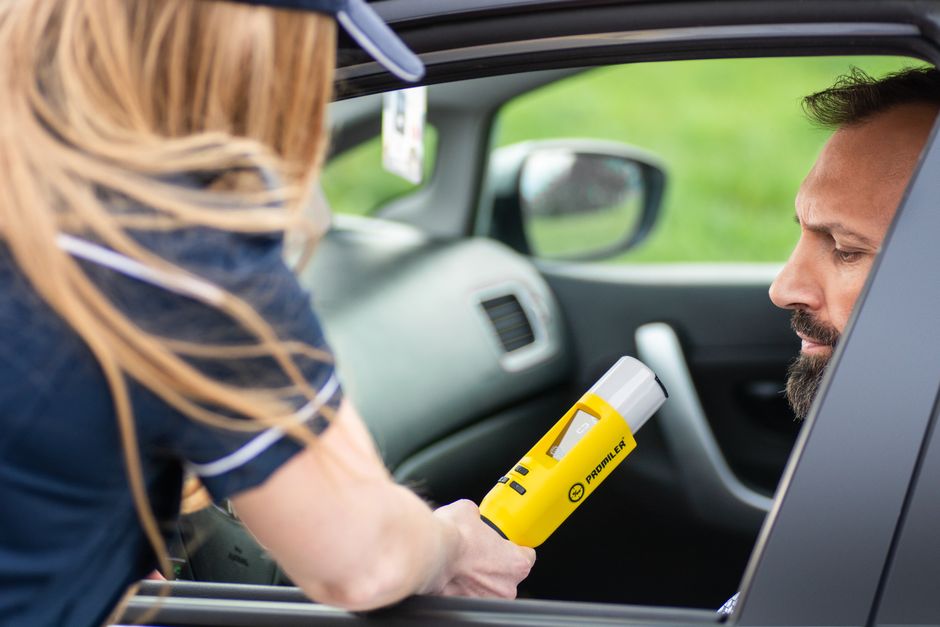
    Understanding the distinction between a “test fail” and a “driving fault” is crucial. A test fail occurs when a candidate commits serious or dangerous faults, leading to an automatic fail. In contrast, a driving fault (often classified as minor) indicates areas for improvement without jeopardizing safety. Many learners often find the psychological weight of the “fail” label daunting; however, most common failures stem from habits that can be corrected with practice and guidance.

    Statistics show that the top 10 reasons for test failures have been remarkably consistent over the past decade. Some of these include:

    • Incorrect observation at junctions
    • Failure to control the vehicle properly
    • Inadequate signal use
    • Inappropriate speed

    Why Do Most Learners Fail?

    Many learners struggle due to a combination of factors. One primary reason is the pressure that comes with the presence of an examiner. This added stress can lead to simple mistakes that result in failure. Additionally, inadequate private practice compared to professional instruction can leave learners ill-prepared. Many also misunderstand the Highway Code, especially in real-time scenarios, leading to errors during the test.

    The 2026 Testing Standard

    The DVSA’s current standard for “safe driving for life” emphasizes that learners must demonstrate consistent, safe driving habits. A key part of the test is the “Show Me, Tell Me” questions, which not only assess a candidate’s knowledge but also set the tone for the remainder of the test, reflecting the importance of understanding vehicle safety and maintenance. If you’re ready to take the next step, find out how to book your driving test.

    The ‘Big Three’: Why Observations and Mirrors Still Top the List

    In the UK, one of the most common driving test fails in 2026 is due to inadequate observations at junctions. This crucial skill is essential for ensuring the safety of all road users. Many learners overlook the importance of thorough observation, leading to dangerous situations that can result in a test failure.

    The “Mirror-Signal-Manœuvre” (MSM) routine is another area where learners frequently stumble. Each step of this process is vital, yet many students skip or rush through one of the components. For instance, failing to check mirrors before signaling can lead to serious mistakes, such as cutting off another driver or not being aware of cyclists in the blind spot.

    Additionally, ‘Moving Off Safely’ presents a challenge, especially for those learning manual transmission. Many learners find it difficult to coordinate clutch control with observations, leading to premature or unsafe movements. Examiners specifically look for “effective” observations, which means more than just turning your head; they want to see a comprehensive assessment of the surroundings.

    Mastering Junctions and Roundabouts

    At junctions, common errors include pulling out when a vehicle is approaching too quickly. This action can lead to dangerous situations and is a common reason for failure. Before committing to a turn, always perform a “final look” to ensure the road is clear. In multi-lane junctions, maintaining lane discipline is vital; students should practice how to navigate these without drifting out of their lane.

    Effective Mirror Use When Changing Direction

    Proper use of mirrors is fundamental. Always check both interior and exterior mirrors before signaling your intention to change direction. The “blind spot” check is crucial when changing lanes or turning. However, overusing this check can lead to delayed actions. A frequent fail point is neglecting to check the left mirror prior to turning left or moving in, which can create unsafe conditions for other road users.

    By focusing on these common driving test fails in the UK 2026, learners can significantly improve their chances of passing on the first attempt. For more personalized guidance, consider taking lessons with a professional instructor who can provide tailored feedback and support. If you’re ready to boost your confidence, feel free to check out relevant anchor text for more information on driving lessons that cater to your needs.

    Serious vs. Dangerous Faults: Understanding the Marking System

    In the UK driving test system, understanding the difference between serious and dangerous faults is crucial for success. There are three types of faults that examiners look for: Driving Faults (often called minors), Serious Faults, and Dangerous Faults. Let’s break these down to help you navigate the common driving test fails UK 2026 and improve your chances of passing on your first attempt.

    Driving Faults, or minor faults, are errors that do not pose an immediate safety risk. You can accumulate up to 15 minors before failing the test. However, it’s essential to be cautious of the “Major” trap; just one serious fault will end your dream of a first-time pass. Examiners determine whether a mistake is classified as serious or dangerous based on potential risks involved in the action.

    What Constitutes a Serious Fault?

    A serious fault is defined as an error that could have caused an accident. Examples include:

    • Mounting the pavement while turning
    • Failing to stop at a red light
    • A significant steering error that could lead to loss of control

    One key indicator of a serious fault is the examiner’s intervention. If they have to intervene verbally or physically to prevent a potential hazard, it is marked as serious. This highlights the importance of maintaining awareness and control of your vehicle throughout the test.

    Accumulating Minor Faults

    While minor faults may seem harmless, accumulating them can lead to serious consequences. If you receive three of the same type of minor fault, it can be escalated to a serious fault. Common minor faults include:

    • Stalling the vehicle
    • Hesitant driving or indecisiveness
    • Poor hand positioning on the steering wheel

    Being aware of these common pitfalls can help you avoid the anxiety and disappointment of failing. For more guidance on mastering your practical driving test, check out our guide on mastering the practical driving test.

    By understanding the distinctions between serious and dangerous faults, and remaining alert during your driving test, you can significantly improve your chances of avoiding the common driving test fails UK 2026 and achieving that coveted first-time pass.

    Milton Keynes Specifics: Avoiding Local Test Traps

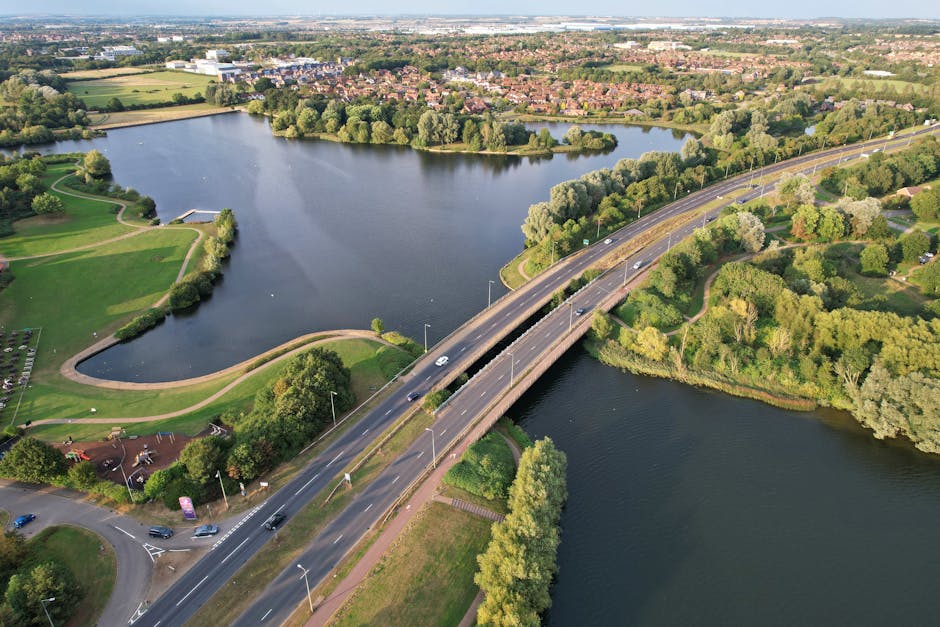
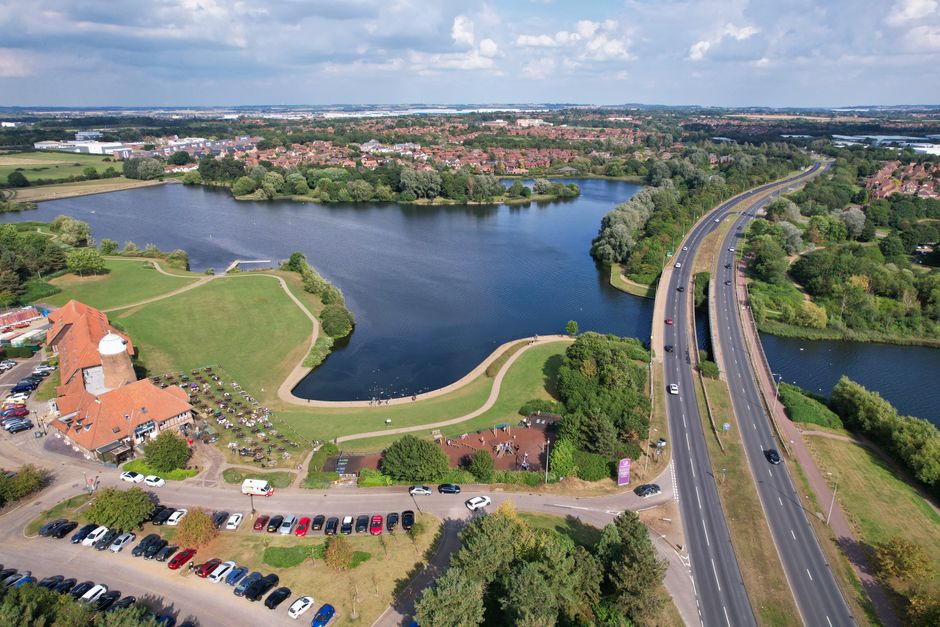
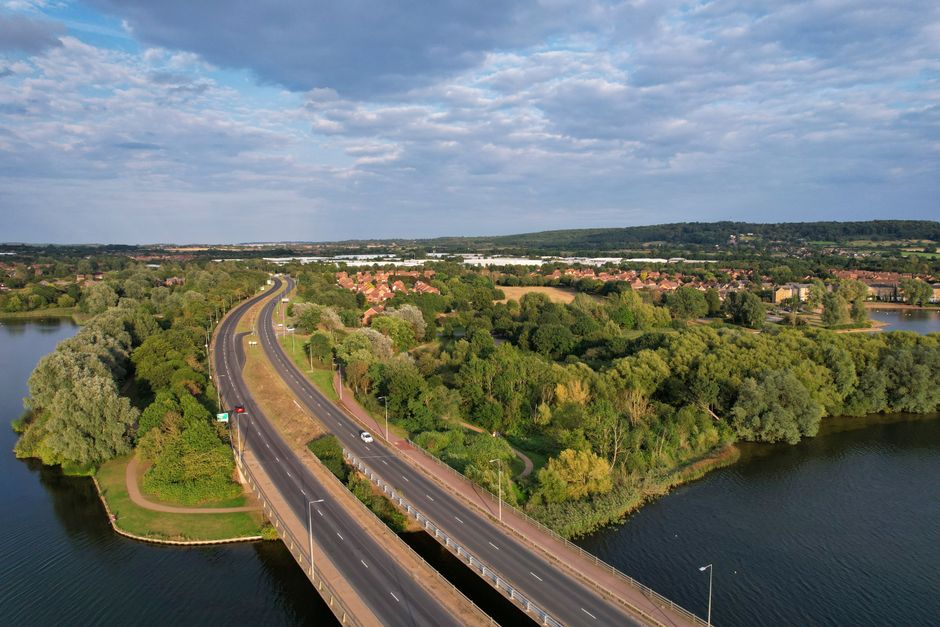
    Milton Keynes offers a unique driving experience for learner drivers, primarily due to its distinctive grid road system and numerous roundabouts. This layout can be both a blessing and a curse, as it requires a solid understanding of roundabout etiquette and road signs to navigate successfully. The term “Roundabout Capital” aptly describes this area, but it also means that learner drivers must pay close attention to lane discipline and signalling at exits to avoid common driving test fails in the UK in 2026.

    Navigating MK Roundabouts

    When approaching large roundabouts, early lane selection is crucial. Many learners fail to signal or select the correct lane, leading to serious faults during their test. A common mistake is getting confused by spiral lanes, which can lead to driving in the wrong direction or missing exits. Practising roundabout navigation during lessons can greatly reduce this risk.

    For more detailed guidance on handling dual carriageways, check out our dual carriageway guide.

    Local Speed Limit Changes

    Milton Keynes also presents challenges with fluctuating speed limits, particularly transitioning from 60mph zones to 40mph or even 30mph in residential areas. It’s vital to remain vigilant and prepared for these changes, as failing to adjust speed accordingly can result in test failures. This scenario is often referred to as the “Safe and Reasonable Speed” fail, where driving too slowly can be just as problematic as speeding.

    • Always look out for speed limit signs.
    • Use local landmarks, like parks or schools, to help you stay oriented.
    • Practice driving in residential areas to get comfortable with lower speed limits.

    By familiarising yourself with the specific driving challenges in Milton Keynes, you can avoid many of the common driving test fails in the UK in 2026. Understanding the local environment will not only help you pass your test but also make you a safer driver in the long run. Ready to book your lessons? Start your journey to passing your driving test today!

    How to Ensure You Pass First Time with Professional Guidance

    Passing your driving test on the first attempt is achievable with the right approach and professional guidance. At Pass4you, we utilize the Pass4you method, which focuses on building your confidence through calm, patient instruction. This approach has led to our impressive 83.33% first-time pass rate, significantly higher than the national average for driving tests in the UK.

    One of the most valuable components of our training is the use of “mock tests.” These simulate the test environment, helping you identify potential fail points early on. By experiencing the pressure of a test scenario within a supportive setting, you become better equipped to handle real test conditions. Additionally, we emphasize preparing your mindset. It’s crucial to know how to recover from a minor mistake during the test, as this can prevent a small error from escalating into a significant issue.

    Why Professional Lessons Beat “Learning with Friends”

    While it may seem appealing to learn with friends or family, professional instructors like Simon understand exactly what 2026 examiners are looking for. They provide structured lessons that target specific skills and knowledge required for passing the driving test. Learning with friends often leads to the adoption of “bad habits” that could hinder your progress. A professional instructor helps you avoid these pitfalls, ensuring you develop safe driving practices from the outset.

    Moreover, investing in fewer but higher-quality lessons proves to be more cost-efficient. The structured approach means you’ll require less time behind the wheel to gain the same level of competence, saving you money in the long run.

    Final Preparation Checklist

    • Ensure your paperwork, including your provisional licence, is ready. For guidance, check our provisional licence guide.
    • Book your test for a time that avoids rush hour. This will help you feel more relaxed and focused.

    With the right preparation and support, you can avoid the common driving test fails UK 2026 learners often experience. Don’t leave your success to chance. Book your calm, professional lessons in Milton Keynes today and take the first step towards becoming a confident, safe driver.

    Prepare for Success on Your Driving Test

    Understanding the common driving test fails UK 2026 can empower you to avoid pitfalls and enhance your chances of success. Key takeaways include the importance of mirror checks and observations, as they consistently rank among the top reasons for failure. Additionally, familiarizing yourself with local test routes, especially in Milton Keynes, can give you a strategic advantage. With the right guidance, you can navigate these challenges effectively.

    Don’t leave your driving future to chance. Book your calm and confident driving lessons with Simon today and join the ranks of learners who enjoy an impressive 83.33% first-time pass rate. Remember, every successful journey begins with the right support, and we’re here to help you every step of the way. You’ve got this!

    Frequently Asked Questions

    What is the most common reason for failing the driving test in 2026?

    The most common reason for failing the driving test in 2026 is committing a serious fault, such as failing to observe road signs or signals. According to recent data from the DVSA, about 40% of learners who fail their test do so because of such critical errors. Understanding these common driving test fails in the UK 2026 can help you prepare better and avoid making the same mistakes.

    How many minor faults are allowed in the UK driving test?

    In the UK driving test, candidates are allowed to accumulate up to 15 minor faults before failing. Minor faults include issues like incorrect positioning on the road or slight lapses in observation. However, if you commit one serious fault or multiple minor faults that collectively indicate unsafe driving, you will fail the test.

    Can I fail my driving test for stalling the car?

    Yes, you can fail your driving test for stalling the car, but it depends on the circumstances. If the stall causes a dangerous situation or interrupts the flow of traffic, it may be marked as a serious fault. However, if you handle the situation calmly and safely, it may only be recorded as a minor fault.

    What happens if I make a mistake during the test?

    If you make a mistake during the driving test, the examiner will assess the severity of the error. Minor mistakes may not affect your chances of passing, while serious faults could lead to immediate failure. The examiner will inform you of any faults at the end of the test, providing valuable feedback to help you improve for next time.

    Is it harder to pass the driving test in Milton Keynes?

    Passing the driving test in Milton Keynes may present unique challenges due to its busy roads and roundabouts. Local statistics indicate that pass rates can vary by location; however, with proper preparation and practice, many learners successfully navigate these challenges. Familiarizing yourself with the local driving conditions can significantly improve your confidence and skills.

    Can I take the driving test in my own car?

    Yes, you can take the driving test in your own car as long as it meets specific requirements. Your vehicle must be roadworthy, insured, and display L-plates. Additionally, it should have a valid MOT certificate if applicable. Using your own car can help you feel more comfortable during the test since you’re already familiar with its controls and handling.

    How do I know if I am ready for my driving test?

    You can gauge your readiness for the driving test by evaluating your skills and confidence level. If you can perform essential maneuvers, adhere to traffic laws, and handle various driving situations competently, you’re likely ready. Consider taking a mock test with your instructor to receive feedback and identify areas for improvement before the actual test.

    What should I do if I fail my driving test?

    If you fail your driving test, don’t be discouraged. Review the feedback provided by the examiner to understand your mistakes. You can book a new test after a minimum waiting period, which is usually 10 days, but consider taking additional lessons to address the areas where you struggled. Many successful drivers learn from their first attempt, so keep your spirits up and stay focused on your goal.

  • Driving Test Tips for Bletchley Test Centre: Pass First Time in 2026

    Driving Test Tips for Bletchley Test Centre: Pass First Time in 2026

    What if the high-speed roundabouts on Saxon Street didn’t have to feel like a gamble every time you approached them? Last month, we helped another student overcome that exact fear, using our specific driving test tips for bletchley test centre to turn their anxiety into the quiet confidence needed to join our 83.33% first-time pass club. It’s completely normal to feel a bit overwhelmed by Bletchley’s unique grid system or the pressure of the independent driving section. We know how much you want to avoid the cost of a retake and finally get your full license.

    We’ve designed this guide to help you master lane discipline and stay calm when the examiner asks you to follow sat-nav directions. You’ll get an instructor-led walkthrough of the most challenging local routes and learn how to navigate the trickiest spots in the area. We’ll show you exactly how to prepare so you can walk away with a pass certificate in 2026.

    Key Takeaways

    • Learn exactly what to expect at the Bletchley Test Centre on Wilton Avenue so you can arrive feeling calm and prepared for your exam.
    • Discover our expert driving test tips for bletchley test centre to master the complex lane discipline required for Saxon Street and Standing Way roundabouts.
    • Identify the top five common failures in Milton Keynes, including the specific 20mph zones that frequently catch learners out.
    • Get a proven test-day checklist designed to settle your nerves and build the confidence needed for a safe, successful drive.
    • Understand how Simon’s local expertise and 83.33% first-time pass rate can help you navigate Bletchley’s trickiest road layouts with ease.

    Bletchley Test Centre is located at Block 4, Government Buildings on Wilton Avenue. It’s a location we know well at Pass4you. Many Milton Keynes learners prefer this centre because the surrounding roads often feel more manageable than the high-speed dual carriageways found in other parts of the city. The atmosphere here is professional and calm, which helps settle those pre-test jitters. We’ve helped many drivers achieve our 83.33% first time pass rate by focusing on the specific layout and quirks of this site. When you follow our driving test tips for bletchley test centre, you’ll feel like a safe driver for life from the moment you turn the key.

    Your test begins the second you enter the car park. It’s a shared space, so you need to be alert for pedestrians and other learners. The “Show Me, Tell Me” questions usually start right here. Being prepared for these initial questions builds immediate confidence. If you start with a correct answer, you’ll feel much more relaxed for the drive ahead. We find that students who approach the start with a patient mindset perform significantly better throughout the 40-minute session.

    Arrival and Documentation

    Aim to arrive exactly 10 minutes before your scheduled time. If you get there 20 minutes early, you might block learners returning from their tests. Arriving 5 minutes late could mean your test is cancelled. This 10-minute “sweet spot” gives you time to park, take a few deep breaths, and gather your thoughts. You must bring your provisional driving licence. While not always asked for, having your theory test pass certificate is also a smart move. The examiner will meet you in the waiting room, check your ID, and ask you to sign a residency declaration. A friendly smile and a calm attitude here set a positive tone.

    The Bletchley Car Park Manoeuvre

    The Wilton Avenue car park is where many tests can unfortunately end before they’ve truly begun. You might be asked to reverse into a bay or pull forward and reverse out. The most common reason for faults here isn’t the steering; it’s the lack of observation. You must look around constantly. Bletchley is a busy hub, and data suggests that a high percentage of early faults occur because a candidate didn’t see a pedestrian or another vehicle moving nearby. Treat the car park with the same respect as a main road. Use these driving test tips for bletchley test centre to stay sharp:

    • Check every blind spot before moving the car even an inch.
    • Keep your speed at a slow walking pace to maintain total control.
    • Stop immediately if you see any movement from other cars or people.

    Our instructor, Simon, always emphasises that a patient approach in the car park proves to the examiner that you’re a responsible and safe driver. Don’t rush the manoeuvre. Take your time, stay observant, and you’ll clear this first hurdle with ease.

    Mastering Bletchley’s Tricky Roundabouts and Dual Carriageways

    The Milton Keynes grid system is a unique environment that requires a specific set of skills. When you’re looking for driving test tips for bletchley test centre, understanding the layout of the V7 and H8 roads is your first priority. These roads connect residential areas to high-speed corridors, and the transition happens quickly. You’ll often find yourself moving from a quiet 30mph street onto a 40mph or 50mph main road within seconds.

    The Saxon Street (V7) challenge is all about managing your speed and lane discipline. It’s easy to let your speed creep up, but examiners are looking for precise control. Keep your eyes peeled for the speed limit signs, especially where the limit drops near schools or shops. Standing Way (H8) roundabouts are another focal point. These are multi-lane junctions that handle heavy traffic flow. You must decide on your lane early. If you’re heading toward the A421, check your road markings at least 100 yards before the roundabout to ensure you aren’t caught in a “left-turn only” lane by mistake.

    Spiral roundabouts are a common feature in Bletchley. These junctions are designed to lead you to your exit, but they only work if you enter in the correct lane. If you find yourself in the wrong lane, don’t panic or swerve. Stay in your lane and follow it safely to wherever it leads. The examiner can’t fail you for taking a wrong turn, but they will mark a serious fault for a dangerous lane change. This “calm” and “patient” approach is what helps our students achieve an 83.33% first time pass rate.

    High-Speed Road Confidence

    Transitioning from 30mph zones to 60mph or 70mph dual carriageways like the A421 is a frequent part of the Bletchley test route. You need to match the speed of the traffic on the slip road before you merge. Joining a 70mph road at 40mph is dangerous and will likely result in a fail. Always perform a “Life Saver” glance over your right shoulder before you move into the main flow of traffic. This check ensures that no one is hiding in your blind spot. Once you’re on the dual carriageway, maintain a safe following distance of at least two seconds in dry conditions.

    Bletchley’s Famous Roundabouts

    The roundabouts near the Brunel Shopping Centre are particularly busy. You’ll encounter pedestrians, buses, and delivery drivers who may be in a hurry. In the residential parts of Bletchley, you’ll also face clusters of mini-roundabouts. These require quick observation and a clear understanding of priority. Simon, our lead instructor, always shares this essential tip: “If in doubt, slow down and observe; don’t rush the gap.” Taking that extra second to be “safe” is far better than forcing another driver to slow down. If you want to practice these specific junctions with a mentor, you might consider booking professional driving lessons to refine your technique before 2026.

    • Stay Central: Keep your car in the middle of your lane on spiral roundabouts to avoid “lane drifting.”
    • Exit Strategy: Always check your interior and left door mirror before exiting any roundabout.
    • Speed Matching: Use the full length of the slip road to build up speed when joining the A421.

    Driving Test Tips for Bletchley Test Centre: Pass First Time in 2026

    Avoiding the Top 5 Common Failures in Bletchley

    Passing your test requires more than just basic car control. It’s about understanding the specific quirks of the local roads. At Pass4you, we’ve helped hundreds of students navigate these challenges with a calm and patient approach. Here are the top pitfalls to watch out for when looking for driving test tips for bletchley test centre.

    Observation at junctions remains the most frequent serious fault in the Milton Keynes area. Examiners often see learners look once and pull out, failing to spot a cyclist or a car approaching quickly on a grid road. You should always look, then look again. Don’t rush the process. Another common issue is inappropriate speed. Bletchley has several 20mph zones, particularly near schools and residential pockets, that catch learners out if they aren’t scanning for signs constantly. Staying at 22mph in a 20mph zone is an immediate fail.

    • Signal timing: On Saxon Street, signaling too early can lead to a “misleading signal” fault. If you signal before a driveway or a minor turn-off, the examiner may think you’re turning there instead of the main junction.
    • Response to road markings: Bletchley’s wide junctions often have multiple lanes. Staying within the lines is vital. If you drift over a solid white line or straddle two lanes, it shows a lack of control.
    • Following distance: Keep a safe gap. In rainy conditions, which are common in the UK, you should double your two-second rule to stay safe.

    Lane Discipline and Road Markings

    Lane discipline is the foundation of Bletchley success because it proves you can handle the complex flow of traffic safely. Milton Keynes is famous for its “V” and “H” grid roads. These require extra attention to floor arrows, especially at the Buckingham Road junctions where lanes can split or merge suddenly. If you find yourself in the wrong lane, stay calm. Follow the lane you’re in safely. The examiner won’t fail you for taking the wrong exit, but they will fail you for a sudden, dangerous lane change without proper observation.

    Meeting Situations in Narrow Streets

    Residential areas like Wilton Avenue and the surrounding estates present a different challenge. These streets are often lined with parked cars, leaving room for only one vehicle to pass at a time. You must master the “Priority to Oncoming Traffic” rules here. We teach our students to look well ahead. If you see a car coming, find a gap and wait. This is where you demonstrate the patience we value at Pass4you. Simon always reminds learners that waiting five seconds is better than rushing and failing. Showing this level of maturity helps us maintain our 83.33% first time pass rate. These driving test tips for bletchley test centre are designed to make you a safe driver for life, not just for forty minutes.

    Your Bletchley Test Day Checklist: Preparation and Nerves

    Success on your big day starts long before you turn the key in the ignition. Preparing your mind and body is just as vital as mastering the clutch. These driving test tips for bletchley test centre focus on the final 24 hours to ensure you arrive at the centre feeling capable and composed.

    The night before your test, aim for at least eight hours of sleep. Dehydration leads to poor concentration, so drink plenty of water. Spend ten minutes using mental visualisation. Picture yourself successfully navigating the double roundabouts near the Bletchley train station. Visualising a positive outcome builds the confidence you need to perform under pressure.

    A 1-hour “warm-up” lesson immediately before your test is essential. This hour isn’t for learning new skills; it’s for settling your nerves and getting used to the morning’s specific road conditions. It allows you to find your biting point and shake off any initial stiffness. By the time you pull into the test centre car park, you’ll already be in “driving mode” rather than starting from cold.

    If you feel “test day jitters” in the waiting room, use simple breathing techniques. Inhale deeply for four seconds, hold for four, and exhale for four. This physical reset tells your nervous system that you’re safe. Remember, the examiner wants you to pass. They aren’t looking for reasons to fail you; they’re looking for evidence that you’re a safe, competent driver.

    The Mental Game of Driving

    One of the most effective driving test tips for bletchley test centre is adopting Simon’s “Calm Mentor” approach. Treat the examiner like a passenger who simply needs a lift across town. If you make a small mistake, like stalling or missing a signal, don’t let it ruin your focus. Many learners pass with several minor faults. Take a breath, fix the error safely, and move on. You can find more strategies for staying focused in our guide on Mastering the Practical Driving Test in 2026.

    Independent Driving in Bletchley

    The independent driving section lasts about 20 minutes. You’ll likely follow a Sat Nav route through West Bletchley or the busier streets of Fenny Stratford. Don’t worry if you take a wrong turning. Taking the wrong exit at a roundabout is not an automatic fail, provided you do it safely. The examiner will help you get back on the route. Stay focused on your surroundings even when the examiner stops giving verbal directions. We maintain an 83.33% first time pass rate by teaching students to drive the road, not just the route.

    Ready to build the confidence you need for a first-time pass? Book your Bletchley driving lessons today.

    Why Local Expertise with Pass4you Secures Your First-Time Pass

    Choosing the right instructor is the most important decision you’ll make on your journey to the driver’s seat. At Pass4you, we don’t just teach you how to move a car; we prepare you to succeed with confidence. Our 83.33% first-time pass rate is a direct result of our calm, patient approach that puts even the most nervous learners at ease. While the national average pass rate often stays below 50%, our students benefit from a tried and tested technique refined over many years in Milton Keynes. You’ll learn in modern, reliable Volkswagen tuition vehicles. These cars are easy to handle, comfortable, and equipped with the latest safety features, allowing you to focus entirely on your driving skills without worrying about mechanical reliability.

    Simon’s deep understanding of the local area is your secret weapon. Every test centre has its specific challenges, and Bletchley is no exception. Whether it’s the specific lane markings at the double roundabouts or the tricky visibility at certain junctions near the station, Simon knows exactly what the DVSA examiners are looking for. These driving test tips for bletchley test centre aren’t just generic pieces of advice. They are specific, actionable insights based on hundreds of successful tests. Our goal is to transition you from a learner into a “Safe Driver for Life,” ensuring you have the skills to handle any road situation long after you’ve received your pink license.

    We understand that many learners come to us after feeling rushed or shouted at by other instructors. We take the opposite approach. By creating a supportive environment, we help you build the mental resilience needed for the exam. You’ll find that our professional guidance makes the process of learning to drive an exciting opportunity rather than a source of anxiety.

    Mock Tests in Bletchley

    We believe in removing the fear of the unknown. Before your actual exam, we simulate the exact Bletchley test environment. This helps us identify your personal weak spots before a DVSA examiner ever sees them. You can book a mock test in Milton Keynes to experience the pressure of the big day in a supportive setting. It’s the best way to ensure you’re truly ready. These sessions allow us to fine-tune your maneuvers and clarify any remaining driving test tips for bletchley test centre so you feel completely prepared when you head out from the test centre.

    Book Your Success

    Securing your preferred test date at Bletchley requires planning, and we’re here to help you every step of the way. We focus on providing genuine value for money. While we may not be the cheapest driving school in the region, our high-quality, professional lessons mean you’ll likely need fewer hours overall. This saves you significant time and money in the long run by avoiding repeated test fees. Don’t leave your success to chance or rely on well-meaning friends who might pass on bad habits. Start your journey with Pass4you today and join our long list of happy, qualified drivers who passed the first time.

    Take the Next Step Toward Your Bletchley Driving Success

    Passing your practical exam at the Bletchley Test Centre in 2026 is a goal you can definitely achieve with the right preparation. By focusing on these driving test tips for bletchley test centre, you’ll feel ready to tackle those challenging roundabouts and dual carriageways that often catch people out. Success isn’t just about knowing the rules; it’s about building the confidence to stay calm when the pressure is on. We’ve seen how mastering local routes and avoiding common failure points makes all the difference on the big day.

    Learning with Pass4you means you’re in safe, professional hands. Simon provides patient and confidence-building instruction in a modern Volkswagen tuition vehicle, ensuring you’re comfortable from your very first lesson. With an impressive 83.33% first-time pass rate, our tried and tested methods are designed to help you succeed without the stress. We’ve helped many nervous learners throughout Milton Keynes become safe drivers for life, and we’re ready to help you too. Don’t let nerves hold you back from the freedom of the open road.

    Book your Milton Keynes driving lessons with Simon today and start your journey toward that first-time pass. You’ve got this, and we’re here to support you every mile of the way.

    Frequently Asked Questions

    What is the pass rate at Bletchley Driving Test Centre?

    The pass rate at Bletchley Driving Test Centre is 45.4% according to the 2023/24 DVSA statistics. This figure is quite typical for a busy urban area and shouldn’t discourage you. We focus on building your confidence so you can join the thousands of successful candidates who pass here annually. With professional guidance and a patient approach, you’ll have everything you need to handle the local roads and earn your full driving licence on your first attempt.

    Is Bletchley a hard place to take a driving test?

    Bletchley isn’t necessarily a hard place to pass, but it does require specific skills for the Milton Keynes grid system. You’ll need to navigate various roundabouts and 70mph dual carriageways that demand clear observation. Our driving test tips for bletchley test centre focus on mastering these junctions early in your training. By practicing these specific routes until they feel natural, you’ll go into your test feeling calm and fully prepared for a successful result.

    How do I handle the high-speed dual carriageways in Milton Keynes?

    You handle high-speed dual carriageways like the A5 by maintaining a safe following distance and checking your mirrors early. In Milton Keynes, these roads often lead directly into large roundabouts, so planning your lane discipline is vital. We teach you to match the speed of traffic safely while staying within the 70mph limit. Staying patient and looking well ahead helps you anticipate changes in traffic flow, making these fast stretches feel much more manageable for you.

    Can I choose my own route for the independent driving section?

    You can’t choose your own route during the 20 minute independent driving section. The examiner will either provide a Sat Nav with a pre-set route or ask you to follow road signs to a specific destination. About 80% of tests currently use a Sat Nav for this part. Don’t worry if you take a wrong turn; as long as you drive safely, the examiner will help you get back on track without any penalty during your test.

    What happens if I make a mistake during my Bletchley driving test?

    If you make a mistake, it’s important to stay calm and keep driving as if nothing happened. Many learners assume they’ve failed after a small error, but it might only be recorded as a minor fault. You’re allowed up to 15 minor faults, provided you don’t commit a serious or dangerous mistake. We encourage you to take a deep breath and stay focused on the road ahead to prevent one slip from affecting your overall performance.

    Where exactly is the Bletchley Driving Test Centre located?

    The Bletchley Driving Test Centre is located at Block 4, Government Buildings, Chalfont Drive, Bletchley, MK3 6DP. It’s situated within a quiet residential area, but you’ll quickly transition onto busier urban roads once your test begins. We recommend arriving at least 10 minutes before your scheduled appointment to ensure you’re parked and ready. This small window of time helps you settle your nerves and prepare for a successful, confident start to your practical driving exam.

    How many minor faults are allowed on the UK driving test?

    You’re allowed a maximum of 15 minor faults on the UK driving test, though you must have zero serious or dangerous faults to pass. If you repeat the same minor mistake three times, the examiner may upgrade it to a serious fault. Our goal is to help you become a safe driver for life, which naturally keeps your fault count low. Following our driving test tips for bletchley test centre helps you develop the habits needed for success.

    Should I take my test in Bletchley or Leighton Buzzard?

    Choosing between Bletchley and Leighton Buzzard depends on which environment feels more comfortable to you. Bletchley features more high-speed dual carriageways and complex roundabouts, while Leighton Buzzard involves narrower rural roads. We’ve helped students succeed at both centres, but we often suggest Bletchley if you’re already familiar with the Milton Keynes grid system. The best choice is the one where you feel most confident and prepared to demonstrate your safe driving skills to the examiner.

  • Mastering Roundabouts in Milton Keynes: A Learner’s Guide to Success in 2026

    Mastering Roundabouts in Milton Keynes: A Learner’s Guide to Success in 2026

    What if those daunting 70mph entries onto the Milton Keynes grid system weren’t something to dread, but a challenge you could handle with total ease? We know that many learners feel a genuine spike of anxiety when they see a multi-lane junction approaching, especially when spiralling lanes feel like they’re pushing you out of position. It’s frustrating to feel like a minor lane discipline error is the only thing standing between you and your full driving licence.

    We believe that mastering roundabouts milton keynes should be a calm and predictable experience. By learning the secrets of the grid, you’ll gain the confidence to navigate any junction without the usual panic or confusion. Our goal is to transform you into a safe driver for life, ensuring you feel as relaxed behind the wheel as our previous students who helped us reach an 83.33% first-time pass rate in 2024. In this guide, we’ll walk through the exact lane selection techniques and approach strategies you need to pass your test in 2026 with flying colours.

    Key Takeaways

    • Understand how the unique Milton Keynes grid system prioritises traffic flow, helping you anticipate the city’s driving rhythm with ease.
    • Unlock the secrets to mastering roundabouts milton keynes by applying the “12 o’clock” rule and learning to decipher complex road markings.
    • Identify the specific high-speed junctions and test-route roundabouts that often challenge learners, allowing you to approach them with a calm, prepared mindset.
    • Master the “Plan, Act, Achieve” approach to the MSPSL routine to navigate even the most daunting multi-lane junctions with total confidence.
    • Discover how patient, expert guidance in modern Volkswagen vehicles can help you overcome driving anxiety and achieve a safe, first-time pass.

    The Milton Keynes Grid System: Why Roundabouts Rule the City

    Milton Keynes wasn’t built by accident. In 1967, planners designed it as a “New Town” to solve the heavy congestion found in older British cities. Instead of narrow, winding streets and endless traffic lights, they implemented Milton Keynes’ unique grid system. This layout prioritises constant movement. You’ll notice that traffic lights are rare on the main grid roads. Instead, roundabouts act as the primary way to manage junctions. Because these roads often have speed limits of 60mph or 70mph, your approach to a junction happens much faster than in a typical town centre. Mastering roundabouts milton keynes is the single most vital skill you’ll need to pass your test here. If you can handle an MK roundabout with confidence, you’re already halfway to your pink licence.

    The grid system allows traffic to bypass residential estates, keeping the main routes clear for through-traffic. This means you spend less time idling in queues and more time actually driving. It’s a different world compared to the cramped streets of nearby towns like Bedford or Luton. The city’s design demands a high level of observation. You need to look ahead and process information quickly. Our instructors focus on building this “active scanning” habit from your very first lesson. It’s how we help you feel safe and in control, even when the national speed limit applies.

    Understanding H-Roads and V-Roads

    The city is laid out like a giant chessboard. Horizontal roads (H-roads) run roughly east to west, while Vertical roads (V-roads) run north to south. H-roads have even numbers, like the H6 Childs Way, and V-roads have odd numbers, such as the V8 Marlborough Street. Knowing this helps you anticipate what’s coming. If you’re on a V-road approaching an H-road, you know you’re heading for a major junction. Using these road names helps you plan your exit directions long before you see the road markings. It’s all about forward planning and reducing that last-minute panic. When you know where you’re going, your confidence naturally grows.

    Why the Grid System Benefits Learner Drivers

    For many learners, the grid system feels intimidating at first. However, it’s actually your best friend. Unlike the unpredictable layouts of older towns, MK offers incredible consistency. Every junction follows a similar logic. You won’t find many “stop-start” situations caused by pedestrian crossings or tight corners on the grid. This flow helps you build a steady rhythm. It also provides the perfect training ground for advanced dual carriageway driving. By the time you reach your test, you’ll feel calm and prepared because you’ve practiced these high-speed approaches dozens of times. Mastering roundabouts milton keynes isn’t just about passing a test; it’s about becoming a safe driver for life.

    • Consistency: Most junctions follow a standard pattern, making lane selection easier to learn.
    • Efficiency: Less time spent at red lights means more time practicing your actual car control.
    • Preparation: The high-speed grid roads prepare you for motorway driving better than almost any other UK city.

    Mastering Lane Discipline: How to Choose the Right Path

    Choosing the correct lane is often the most stressful part of mastering roundabouts milton keynes learners face. With over 130 roundabouts across the city’s grid system, the sheer volume of choices can feel overwhelming. We teach our students a simple “12 o’clock” rule to simplify this. Imagine the roundabout as a clock face. If your exit is located before 12 o’clock, you typically approach in the left-hand lane. If the exit is after 12 o’clock, you should move into the right-hand lane. This follows the official Highway Code rules for roundabouts, which provide the foundation for safe driving.

    In Milton Keynes, you must look up as well as down. Road markings on the tarmac can fade or be hidden by traffic during rush hour. Overhead gantry signs on approach roads like the H6 Childs Way or V8 Marlborough Street are your best tools for early positioning. Seeing these signs early prevents last-minute swerving, which is a common reason for faults during a driving test. Our instructors focus on building your confidence so you can spot these cues 100 yards before the junction.

    You also need to be aware of “lane gain” and “lane drop” scenarios. A lane gain occurs when an extra lane opens up on the approach, often to increase capacity for left turns. Conversely, a lane drop means your current lane might be forced to exit. Recognising these patterns early is why Pass4you maintains an 83.33% first time pass rate. We help you read the road layout long before you reach the give-way line. If you’re feeling a bit overwhelmed by the grid roads, our calm driving lessons are designed to help you find your feet at your own pace.

    Turning Left and Going Ahead

    For the first exit (turning left) or the second exit (going straight), the left-hand lane is your standard choice. However, some larger Milton Keynes roundabouts feature three lanes on approach. In these cases, the middle lane is often dedicated to “ahead” only. Always check the arrows on the road. When exiting, use your interior and left door mirrors to ensure no cyclists or vehicles are tucked into your nearside before you steer towards the exit road.

    Turning Right at Multi-Lane Junctions

    Exits located past the 12 o’clock position require a right-hand lane entry. As you follow the curve of the roundabout, you must maintain your lane discipline to avoid “drifting” into other drivers. Many roundabouts here use a spiral system that naturally pushes you towards your exit. Before you move from the inner lane to the outer lane to leave the roundabout, perform a “lifesaver” glance over your left shoulder. This quick check ensures another vehicle isn’t trying to overtake you on the left. Simon and our team of instructors will practice this move with you until it becomes a natural habit.

    Mastering Roundabouts in Milton Keynes: A Learner’s Guide to Success in 2026

    Milton Keynes is famous for its grid system and over 130 unique roundabouts. For a learner, this can feel like a daunting maze. Mastering roundabouts milton keynes is the biggest hurdle to getting your pink licence, but it doesn’t have to be a source of stress. The psychological pressure of high-speed traffic and large HGVs is a common concern. Simon at Pass4you understands this anxiety. He uses a patient, calm approach to help you feel in control. This isn’t just about passing a test; it’s about becoming a safe driver for life. You can also study expert advice from the RAC to supplement your practical lessons with Simon.

    Local knowledge is your secret weapon. Test examiners often use specific junctions because they test your ability to read signs and lane markings simultaneously. Common challenges include:

    • Managing heavy commercial traffic near the Magna Park and Brinklow industrial estates.
    • Maintaining a steady speed while checking blind spots on multi-lane approaches.
    • Deciphering faded lane markings on older Bletchley routes.
    • Responding to aggressive drivers who may not follow standard priority rules.

    The Roman Roundabout (Bletchley)

    The Roman Roundabout, often called the “B&Q Roundabout” by locals, is a regular feature on Bletchley test routes. It’s notorious for its spiralling lane markings. Many learners fail here because they find themselves in the wrong lane for the A5 or Bletchley town centre. Simon’s local knowledge is a huge advantage. He’ll show you exactly where to position your car before you even reach the white lines. We focus on deciphering these markings under pressure. In 2024, lane discipline remained a top reason for test failures in the UK. We’ll make sure you’re prepared so you don’t become part of that statistic.

    Northfield and Pineham Roundabouts

    These junctions are the gateway to the M1. You’ll often find yourself surrounded by 44-tonne HGVs and commuters rushing to work. Traffic here moves at speeds up to 60mph, making gap selection critical. If you’re nervous, you might wait too long or pull out too late. We help you build the confidence to judge high-speed gaps accurately. Simon’s coaching focuses on reading the body language of other vehicles. This ensures you can merge safely without causing others to slow down. We’ve helped hundreds of students navigate these high-pressure zones, contributing to our 83.33% first-time pass rate. You’ll learn to stay calm even when the traffic feels overwhelming.

    The Step-by-Step Approach for a First-Time Pass

    Navigating the complex grid system requires more than just luck; it demands a structured method. At Pass4you, we teach the MSPSL routine as the foundation for mastering roundabouts milton keynes. You’ll start by checking your mirrors to understand the traffic behind you. Next, you’ll signal your intent clearly. Your position comes next, followed by adjusting your speed, and finally, looking for a safe gap. This routine keeps you calm and in control. It’s a key reason why our students achieve an 83.33% first time pass rate.

    We use a “Plan, Act, Achieve” mindset to help you stay ahead of the car. You should begin planning your approach at least 100 yards before the junction by reading the gantry signs or road markings. Once you act on that plan by choosing your lane, your goal is to achieve a safe exit. Clear communication is your best tool here. By positioning your car early and using your signals correctly, you tell everyone else exactly where you’re going. This reduces the risk of others cutting you off or becoming confused by your intentions.

    If you realise you’re in the wrong lane, don’t panic. This is a common worry for learners, but the solution is simple. Stay in the lane you’ve chosen. Follow it safely to whichever exit it leads to, even if it’s not the one you wanted. The examiner won’t fail you for taking a wrong turn if you do it safely. They will, however, mark a serious fault if you cross a solid line or swerve to “fix” the mistake. We focus on building this “safety first” habit so you stay relaxed during your test.

    Dealing with Spiralling Lanes

    Many larger junctions in Milton Keynes, like those connecting to the A5, use spiral markings. These lanes are designed to naturally “drift” you towards your exit as you move around the circle. You simply need to stay between your white lines and follow them as they move outwards. Never cross a solid white line to change lanes. If you follow the spiral correctly, you’ll find yourself perfectly positioned for your exit without needing any sudden steering movements.

    The Exit Strategy: Signalling and Speed

    Timing your exit signal is vital. You should apply your left signal just after you’ve passed the exit immediately before the one you want. As you move onto the new road, check your interior mirror to ensure it’s safe to accelerate. Once you’re clear of the junction, you can gradually increase your speed to match the local limit. This smooth transition shows the examiner you’re a confident, capable driver. If you’re feeling nervous about these junctions, you can book a lesson with a patient instructor to build your confidence and skills.

    Build Your Confidence with Pass4you Milton Keynes

    Mastering roundabouts milton keynes requires more than just knowing the Highway Code; it demands confidence and precise car control. At Pass4you, our instructors specialise in helping learners overcome the unique challenges of the city’s grid system. We don’t believe in a one-size-fits-all approach. Instead, we tailor every lesson to focus on your specific fears. If merging onto a high-speed dual carriageway makes your heart race, we’ll spend extra time there. Our goal is to transform your anxiety into competence through patient, expert guidance.

    You’ll learn to drive in modern Volkswagen vehicles that are specifically chosen for their ease of use. These cars offer excellent visibility and light, responsive controls, which are essential when you’re trying to maintain lane discipline on a busy MK roundabout. Learning in a high-quality vehicle means you can focus on the road rather than struggling with a heavy clutch or stiff gears. This professional environment is part of why we maintain an 83.33% first-time pass rate. This figure is the highest in the local area, proving that our methods produce results for students of all ability levels.

    Personalised Instruction with Simon

    Simon has built a reputation as a mentor who provides a calm, non-shouting environment. This is vital for nervous learners who may have felt pressured by other instructors in the past. We use actual local test routes to ensure your experience is relevant to the real world. You won’t just be driving in quiet residential streets; you’ll be tackling the same junctions you’ll face during your practical exam. Booking your first lesson is the simplest way to start your journey toward independence and the freedom of the open road.

    Value for Money: Saving Lessons by Learning Right

    Many people look for the cheapest hourly rate, but expert instruction actually saves you money in the long run. By learning the correct techniques from day one, you reduce the total number of lessons needed before you’re test-ready. The cost of failing a test is significant when you factor in the retest fee and the price of additional practice. Investing in high-quality training ensures you’re a safe driver for life, not just for the duration of your test. You can find full details on our driving lessons Milton Keynes page. We focus on getting you through your test quickly and safely, avoiding the need for expensive repeat attempts.

    • Expertise: Instructors who know every MK roundabout shortcut and trap.
    • Success: A verified 83.33% first-time pass rate that leads the local market.
    • Comfort: Modern Volkswagen cars that make learning to drive a pleasure.
    • Support: A patient, empathetic approach that builds genuine driver confidence.

    Our commitment to your success goes beyond just passing a test. We want you to feel entirely comfortable mastering roundabouts milton keynes on your own once that pink licence arrives. By focusing on your individual needs and providing a supportive atmosphere, we ensure you’re prepared for any situation the road throws at you.

    Take Control of the Milton Keynes Grid

    Navigating the city’s unique layout doesn’t have to be a source of stress. By understanding the grid system and focusing on precise lane discipline, you’ll transform those daunting junctions into simple routines. Successful driving in 2026 relies on early preparation and the ability to stay calm under pressure, especially at the busier multi-lane intersections. You aren’t just learning to pass a test; you’re developing skills that keep you safe for a lifetime on the road.

    Mastering roundabouts milton keynes is much easier when you have the right support. At Pass4you, we provide a supportive environment in modern Volkswagen tuition vehicles, helping you build confidence at your own pace. Our patient approach is why we’re proud of our 83.33% first-time pass rate. We’ve helped countless nervous learners turn their anxiety into expertise through clear, professional guidance. You’ve got the potential to be a great driver, and we’re here to help you prove it.

    Book your first lesson with Pass4you and master MK roundabouts today!

    We can’t wait to see you gain your independence and enjoy the freedom of the open road.

    Frequently Asked Questions

    How many roundabouts are actually in Milton Keynes?

    Milton Keynes is home to more than 130 roundabouts across its unique grid system. These junctions help keep traffic flowing smoothly without the need for constant stop-start signals. While the high number can feel overwhelming at first, mastering roundabouts in Milton Keynes becomes second nature once you understand the consistent layout patterns used throughout the city. Our instructors help you build the confidence needed to navigate every one of them safely.

    Do I always need to signal left when exiting a mini-roundabout?

    You should signal left when exiting a mini-roundabout if there’s enough time and space to do so safely. However, because these junctions are small, it’s often physically impossible to signal left after passing the previous exit without losing control of the steering. Your priority is to maintain a steady course. If a signal helps others understand your intentions, use it; if it causes a safety risk, focus on your road position instead.

    What should I do if I realise I am in the wrong lane on a roundabout?

    Stay in your current lane and follow the path it takes, even if it means going the wrong way. Never try to cut across lanes or stop suddenly, as this is a common cause of accidents and test failures. You won’t fail your driving test for taking the wrong exit as long as you do it safely. Mastering roundabouts in Milton Keynes is about staying calm. Just tell the examiner you’ve made a mistake and they’ll help you get back on track.

    Which lane should I use for “straight ahead” if there are three lanes?

    You should typically use the left-hand or middle lane for straight ahead, but you must always check the road markings and signs first. In Milton Keynes, many larger junctions have specific lane markings that direct traffic into three or more lanes. If the left lane is marked for “left turn only,” the middle lane becomes your primary choice for going straight. Simon and our team help you build a patient, observant approach to reading these signs early.

    Why do some roundabouts in MK have traffic lights?

    Traffic lights are installed on larger roundabouts to manage high traffic volumes and improve safety during peak hours. These signals prevent the junction from becoming blocked when one direction is much busier than the others. According to 2024 traffic management data, signalised junctions in MK help maintain a steady flow of vehicles. Staying patient and following the stop lines ensures you navigate these complex areas with total confidence.

    Is it a major fault to clip the kerb on a roundabout during a test?

    Clipping the kerb is often recorded as a serious fault if it affects the car’s stability or endangers other road users. A gentle brush might only result in a minor fault, but mounting the kerb will lead to an immediate fail. We focus on a patient, wide-entry technique to ensure you have plenty of room. Our 83.33% first-time pass rate shows that teaching learners to stay calm helps avoid these small steering errors.

    How do I handle the high speed limits when approaching a roundabout?

    You should begin your preparation early by checking your mirrors and easing off the accelerator well before the junction. Many grid roads in Milton Keynes have 60mph or 70mph limits, which requires a structured approach to braking. Use the “Information, Position, Speed, Gear, Look” routine to slow down smoothly. By planning ahead, you’ll feel more confident as you transition from high speeds to the roundabout entry.

    Can I fail my test for being too hesitant at a busy junction?

    Yes, you can fail if you stay stationary when there’s a safe, clear gap to join the traffic. This is known as “undue hesitation” and can frustrate other drivers or cause unnecessary delays. It’s important to be safe, but you also need to show the examiner you’re a confident driver. We’ll work with you to recognise safe gaps in traffic, helping you feel ready to move away promptly and safely every time.

  • Mastering the Bay Parking Manoeuvre: Your Expert Lesson in Milton Keynes

    Mastering the Bay Parking Manoeuvre: Your Expert Lesson in Milton Keynes

    Imagine you’re sitting at the Bletchley test centre, the examiner has just asked for a reverse bay park, and suddenly every pedestrian in Milton Keynes seems to be walking right behind your bumper. It’s a high-pressure moment that contributes to many of the 12% of serious faults recorded during local manoeuvres. If your heart sinks at the thought of hitting a kerb or drifting over the white lines, you’re certainly not alone. Most learners find the bay park one of the most stressful parts of the practical test, especially when navigating busy public car parks.

    During a professional bay parking lesson milton keynes, we’ll replace that anxiety with a calm, step-by-step system. I’ll share the exact reference points I’ve used to help Pass4you students achieve an impressive 83.33% first-time pass rate. You’ll learn how to manage your observations and steer with precision, giving you the confidence to park perfectly at the MK or Bletchley centres every single time. We’re going to break down the “two lines past” method and reveal the local secrets that make this manoeuvre feel like second nature.

    Key Takeaways

    • Understand the essential differences between forward and reverse bay parking to ensure you are fully prepared for any test scenario.
    • Learn how to use specific wing mirror reference points to position your vehicle perfectly within the lines every single time.
    • Master the “Third Line” technique and slow-crawl clutch control to maintain total confidence during 90-degree reverse manoeuvres.
    • Gain local insights into the unique car park layouts at the Bletchley and Stanier Square centres during your bay parking lesson milton keynes.
    • Discover how Simon’s patient, calm approach has helped us achieve an impressive 83.33% first-time pass rate for our students.

    What is a Bay Parking Manoeuvre and Why Does it Matter?

    A bay parking manoeuvre involves safely positioning your vehicle within a marked space using either forward or reverse gears. To understand the basics of What is Bay Parking, think of it as perpendicular parking where you aim to be central within the white lines. It is a fundamental skill that demonstrates your ability to judge the size of your car and its position relative to fixed objects.

    During your driving test, you will be asked to perform one of two types. Forward bay parking requires you to drive into a space and then reverse out safely. Reverse bay parking involves reversing into the bay and then driving out. Both versions require a calm, methodical approach. We focus on these techniques during every bay parking lesson milton keynes to ensure you feel prepared for any car park layout.

    Milton Keynes is famous for its 1967 grid system, which makes parking skills particularly vital for local life. With over 20,000 parking spaces in the city centre alone, including busy hubs like the Centre:MK and the Hub, you’ll encounter bay parking every time you leave the house. Mastering this isn’t just about passing a test; it’s about gaining the freedom to visit shops, gyms, and offices without feeling anxious about how you’ll get the car into a space.

    Examiners prioritise this manoeuvre because it tests your coordination and awareness in a confined environment. At Pass4you, we’ve helped many students achieve our 83.33% first-time pass rate by breaking these complex movements down into simple, manageable steps. We don’t believe in rushing you. We want you to feel in total control of the vehicle at all times.

    The Importance of Accuracy and Control

    Finishing between the lines is critical for a “Pass” mark. You don’t have to be perfectly straight or exactly in the middle, but your wheels must not be touching or over the white lines. If you find yourself slightly wonky, you can usually correct it as long as you stay within the boundaries. Once you’re happy with the position, you must secure the car by applying the handbrake and selecting neutral. This clear sequence tells the examiner you’ve finished the task successfully.

    Observation: The Secret to Passing

    Observation is the area where many learners struggle, but it’s actually the most important part. Before you move the car an inch, you must perform a full 6-point check to ensure the area is clear. If a pedestrian or another vehicle enters the car park near you, stop immediately. You don’t need to panic. Stopping the car is often the best way to show the examiner you’ve got excellent judgement and are prioritising safety. We’ll teach you to keep your eyes moving so you never miss a hazard.

    Step-by-Step: Perfecting the Forward Bay Park

    Forward bay parking is a skill that demands patience and precise car control. Since the DVSA updated the driving test requirements in December 2017, as explained in the Milton Keynes Test Centres: Local Tips for Success, this manoeuvre has become a standard part of the practical exam. To get it right, you need to start with your positioning. You should keep your car as far away from the target bay as possible. If you’re turning into a bay on the right, hug the left side of the lane. This creates a wider turning circle, making it much easier to enter the bay squarely without clipping the white lines.

    Your reference point is the secret to a successful turn. As you crawl forward at a slow walking pace, watch your right-hand wing mirror. When your mirror aligns with the first white line of the bay you want to enter, it’s time to act. You’ll need to apply full steering lock quickly. Many learners find this part stressful, but Simon’s calm teaching style helps you focus on keeping the car moving slowly while your hands work fast. Keeping the speed down gives you the time to adjust if you realise you’ve turned a fraction too early or late.

    Straightening up is the final piece of the puzzle. Once your car is parallel with the lines of the bay, you must unwind the steering wheel to the centre position. Don’t wait until you’ve stopped to do this; it’s better to straighten up while the car is still slightly moving. If you’re feeling nervous about these steps, booking a tailored driving session can help you build the muscle memory needed for a perfect park every time.

    Selecting Your Target Bay

    Choosing the right spot is half the battle during your bay parking lesson milton keynes. Most instructors recommend picking a bay on the right because it offers a better view and more room to swing the front of the car. In busy areas like the Kingston District Centre or The Centre:mk, always look for “one-way” arrows painted on the ground. Driving the wrong way down a one-way aisle is a common mistake that can lead to a serious fault. Always use the Mirror-Signal-Manoeuvre (MSM) routine before you begin your turn to ensure other drivers know exactly what you’re doing.

    Reversing Out Safely

    Leaving the bay is just as important as entering it. You must use the “Halfway” rule to avoid hitting the cars parked next to you. This means you should reverse straight back and only start turning your wheel once your shoulders or mirrors have passed the end of the bay lines. Throughout this process, you must keep up constant 360-degree observations to check for pedestrians or cars approaching from your sides. A blind spot check involves a quick look over your shoulder to ensure no pedestrians or vehicles are hidden from your mirrors. With an 83.33% first-time pass rate, our techniques are designed to make these safety checks feel like second nature.

    Mastering the Bay Parking Manoeuvre: Your Expert Lesson in Milton Keynes

    Mastering the Reverse Bay Park Method

    Reversing into a parking space is often the moment where learners feel the most pressure. At Pass4you, we’ve found that breaking this down into a simple, repeatable formula removes the anxiety. During your bay parking lesson milton keynes, Simon will show you the “Third Line” technique. This method is a reliable 90-degree reference system used by many of our students who contribute to our 83.33% first-time pass rate. It turns a guessing game into a precise science.

    Success starts with your feet. You must keep the car at a “slow crawl” using expert clutch control. If the car moves too fast, you won’t have time to react to your reference points. Think of it as a slow walking pace. This controlled speed gives you the headspace to check your surroundings, ensuring you’re safe from other vehicles or pedestrians in busy Milton Keynes car parks. It’s about being in total command of the vehicle at all times.

    The Set-Up and Reference Points

    To begin, position your car roughly two feet away from the row of bays. This 60cm gap is vital. If you’re too close, the turning angle becomes too sharp to manage. You’ll drive past your target bay until your “point of turn” reference line aligns with your shoulder or door pillar. Once you reach this mark, apply full steering lock. As you slowly reverse, watch your side mirrors. You’ll see the white lines of the bay appear, allowing you to judge exactly when to straighten the wheels and level the car.

    Fixing a Wayward Manoeuvre

    Don’t panic if you aren’t perfectly central on your first attempt. The driving examiner allows you to pull forward once to straighten up. It’s much better to recognise a mistake and fix it than to finish the park over a line. If you’re too close to the left line, steer slightly right as you pull forward to create space. Staying calm is essential here. Simon’s patient approach ensures you feel confident making these small adjustments without feeling rushed. We focus on building your ability to self-correct, which is a hallmark of a safe driver.

    Once you’re happy with your position, secure the vehicle. Apply the handbrake and select neutral. Before you tell the examiner you’ve finished, do a final 360-degree observation. This proves you’re thinking about the safety of others, not just the lines on the ground. Taking this extra second ensures you finish your bay parking lesson milton keynes with a sense of achievement and total control over the car.

    Milton Keynes Test Centres: Local Tips for Success

    Choosing where to take your test is a big decision, and in Milton Keynes, you generally have two main options: Bletchley or Stanier Square. Your examiner will decide whether to conduct the manoeuvre at the start or the end of your practical driving test. They often look for specific conditions to test your control. While the test centre car park is the most common spot, they might head to local retail parks if the centre is too busy. You need to be prepared for older car parks where bay lines have faded over time. In these spots, judging your position requires extra focus on the physical kerbs and surrounding vehicles rather than just the painted lines.

    Bletchley is known for its unique layout. The entrance can feel narrow, and the presence of parked instructor cars often creates a “bottleneck” effect. During a bay parking lesson milton keynes, we focus on these high-pressure environments. We make sure you can keep your head on a swivel. Stanier Square presents a different challenge with its high volume of shoppers. Pedestrians often walk behind reversing cars without looking, so your observation must be constant. If a pedestrian enters your “danger zone,” you must stop immediately. Examiners value this decisive safety action above almost anything else.

    Bletchley vs. Milton Keynes Test Layouts

    The Bletchley centre has a subtle but significant slope. This gradient means your car will naturally want to roll, making precise clutch control vital. If you don’t find the “bite” quickly, you might overshoot your mark. Conversely, the Stanier Square area features very tight corners. Keeping your speed below 2mph is your best friend here. It gives you the time to turn the wheel fully without the car swinging out too wide. For comprehensive support across all these locations, our driving lessons Milton Keynes cover every quirk of the local test routes.

    Dealing with Milton Keynes Traffic

    The biggest psychological jump for learners is transitioning from 60mph or 70mph dual carriageways down to a 5mph crawl in a car park. It’s easy to carry too much “mental speed” into the manoeuvre. Take a breath and reset your pace. This is also the perfect time to stay calm for your “Show Me, Tell Me” questions. These often happen while you are stationary in the bay or just before you move off. Patience is the number one quality examiners look for. They want to see that you aren’t rushing to finish, but instead are prioritising the safety of everyone around you.

    Ready to build your confidence? Book your bay parking lesson milton keynes today and benefit from our 83.33% first-time pass rate.

    Why Choose Pass4you for Your Bay Parking Lesson?

    Choosing the right instructor makes all the difference when you’re tackling tricky manoeuvres. Simon’s patient and calm approach is specifically designed for nervous learners who often dread the thought of reverse parking. Instead of feeling rushed or pressured, you’ll find a supportive environment where mistakes are viewed as simple steps toward success. This encouraging atmosphere is why so many locals choose us for their bay parking lesson milton keynes.

    Our impressive 83.33% first-time pass rate serves as concrete evidence that our reference point methods actually work. We don’t just tell you where to steer; we show you exactly what to look for in your mirrors so you feel in total control. You’ll learn in modern Volkswagen tuition vehicles, which are chosen for their excellent visibility and light, easy steering. These features make it much simpler to align your car perfectly between the lines every single time.

    We focus on providing genuine value for money rather than just being the cheapest option. Because we teach the correct techniques from your very first session, you’ll likely need fewer lessons overall. We’ve honed a tried and tested system over many years that saves you both time and stress, ensuring you’re test-ready much faster than with less experienced instructors.

    Building Your Confidence Behind the Wheel

    We break down complex manoeuvres into small, manageable steps that anyone can master. Simon has helped dozens of students who previously said they “hated parking” until they tried his straightforward method. One former student, Sarah, mentioned she nearly gave up driving entirely before switching to Simon’s calm mentorship. Our goal is to ensure you become a safe driver for life. This means giving you the skills to park confidently in a busy supermarket or a tight multi-storey car park long after you’ve passed your practical test.

    Book Your First Lesson Today

    Booking your session is a simple process for any Milton Keynes resident. We have extensive expertise in the local Milton Keynes theory test centre area, so we know exactly which car parks and routes examiners prefer to use. Don’t let parking anxiety hold you back from gaining your independence. Start your journey to a first-time pass with Simon at Pass4you and discover how easy bay parking can be with the right professional guidance.

    Take the Stress Out of Your Milton Keynes Driving Test

    Mastering the bay park isn’t just about ticking a box on your test sheet; it’s about gaining the confidence to navigate any busy car park in Milton Keynes with ease. By perfecting both forward and reverse techniques, you’re building a foundation for safe, lifelong driving. Our students benefit from learning in modern VW tuition vehicles, ensuring you have the latest technology and comfort to support your progress. With an impressive 83.33% first-time pass rate, we’ve proven that our calm and patient approach works for every type of learner, even if you’ve felt anxious or rushed in the past.

    Whether you’re nervous about hitting the lines or just need to fine-tune your specific reference points, a professional bay parking lesson milton keynes provides the expert guidance you need to succeed. We focus on clear, simple instructions that make sense, helping you feel completely in control behind the wheel. Don’t let parking anxiety hold you back from the freedom of the open road.

    Book your calm and patient bay parking lesson in Milton Keynes today and join the many successful drivers who’ve found their confidence with us. You’re closer to that pink licence than you think!

    Frequently Asked Questions

    Do I have to use my indicators during a bay parking manoeuvre?

    You don’t strictly have to use your indicators, but it’s often safer to do so. Signalling helps other road users understand your intentions in a busy car park. During your bay parking lesson Milton Keynes, Simon will show you exactly when a signal adds clarity and when it might confuse others. We focus on making you a safe driver for life, so clear communication is always a priority.

    Will I fail my driving test if I hit the kerb while parking?

    You’ll likely fail your driving test if you hit the kerb hard or mount it. A gentle touch might only result in a minor fault, provided you react calmly and correct the mistake safely. Our students achieve an 83.33% first time pass rate because we practice these manoeuvres until you feel completely confident. We’ll teach you how to use your mirrors to judge distances perfectly every time.

    Can I open my door to check if I am inside the lines?

    Yes, you’re allowed to open your door to check your position within the lines. It’s much better to take a quick look and adjust than to guess and end up over the white line. Just ensure you’ve secured the car with the handbrake and it’s safe to open the door first. Simon’s patient teaching style ensures you won’t feel rushed while making these important checks.

    What happens if another car tries to enter the bay I am using?

    You must stop and assess the situation if another vehicle enters the area. Safety and observation are 50% of the marking criteria for this manoeuvre. If the other driver waits, you can continue slowly; if they try to pass, you should pause and let them go. This calm approach is exactly what examiners look for during your practical test in 2024.

    Is reverse bay parking harder than forward bay parking?

    Most learners find reverse bay parking more challenging than driving in forward. It requires better spatial awareness and more precise steering. However, reversing into a space makes it much safer to drive out later. Our bay parking lesson Milton Keynes covers both methods thoroughly. We’ve helped 100s of nervous students master these techniques with a calm, step-by-step approach that builds genuine skill.

    Do I have to get the car perfectly straight to pass the manoeuvre?

    You don’t need to be perfectly straight to pass, but you must be entirely within the lines of the bay. The examiner wants to see that you’re safe and in control of the vehicle. If you’re slightly wonky but safely parked, it won’t stop you from passing. We focus on building your confidence so you can park accurately without feeling under pressure.

    How many times am I allowed to adjust my position during the test?

    You’re generally allowed to make two adjustments to your position during the test. If you realise you’re too close to a line, simply pull forward, straighten up, and reverse back in. Examiners value the ability to recognise a mistake and fix it safely. This is a core part of the 83.33% success rate our students enjoy when they head to the test centre.

    Which test centre in Milton Keynes is easier for the parking manoeuvre?

    Neither Bletchley nor the Milton Keynes (Stanier House) test centres are officially easier than the other. Both locations use various car parks for the manoeuvre, including the test centre’s own bays. Success depends on your preparation rather than the specific location. Since we’ve worked with students across Milton Keynes for 15 years, we’ll ensure you’re familiar with the local layout at both sites.

  • How to Parallel Park: A Step-by-Step UK Driving Lesson Guide

    How to Parallel Park: A Step-by-Step UK Driving Lesson Guide

    Imagine you’re halfway through your practical test when the examiner asks you to pull up alongside a parked car; suddenly, your palms are sweaty and you’re terrified of clipping a wing mirror. It’s a scenario that causes over 60% of learners to feel a sharp spike in anxiety, often leading to simple mistakes that could easily be avoided. We know that mastering a how to parallel park uk driving lesson feels like the ultimate hurdle, especially when you’re worried about the timing of your steering or failing the test on this one move.

    You aren’t alone in feeling this way, and it’s completely normal to be nervous about such a precise task. It doesn’t have to be stressful. Our goal is to make you feel calm and capable behind the wheel, just like the hundreds of students who have worked with Simon to build their skills. We’ve helped 83.33% of our learners achieve a first time pass by breaking down complex manoeuvres into simple, manageable steps. In this guide, you’ll discover the exact reference points and safety checks needed to park perfectly every single time, ensuring you stay relaxed and in control on your big day.

    Key Takeaways

    • Master the “1-2-1” method to find your perfect reference points and eliminate the guesswork when reversing into tight spaces.
    • Learn exactly how to parallel park uk driving lesson style to build the calm confidence required to impress your examiner on test day.
    • Identify common observation errors and learn how to distinguish between a minor “brush” and a serious kerb strike during the manoeuvre.
    • Discover the best quiet residential areas in Milton Keynes to practise your skills away from the pressure of busy traffic.
    • See how professional, patient instruction helps you avoid “bad habits” and contributes to our exceptional 83.33% first-time pass rate.

    Understanding the Parallel Park Manoeuvre for the UK Driving Test

    Parallel parking is often the one exercise that makes learners feel most anxious. Put simply, it involves reversing your car into a gap behind another parked vehicle, usually along the side of a busy street. The DVSA includes this in the practical driving test to ensure you have the spatial awareness and car control required for everyday UK driving. It is a fundamental skill that separates a nervous learner from a confident, safe driver for life.

    While bay parking is usually done in the controlled environment of a car park, parallel parking happens on the open road. Mastering this during your how to parallel park uk driving lesson makes a massive difference once you qualify. Instead of feeling stressed in a crowded town centre, you will have the ability to nip into a space quickly and safely. This saves you time and prevents the frustration of driving in circles looking for an “easy” spot that doesn’t require reversing.

    Will I have to parallel park on my driving test?

    There is a 1 in 3 chance of being asked to perform this manoeuvre during your test. Since the driving test changes in December 2017, the examiner chooses one of three reversing exercises to assess your skills. You won’t know which one it is until the moment arrives. The examiner is looking for three main things: control, accuracy, and observation. You don’t need to be perfect to pass. If you end up slightly too far from the kerb, you can often correct it if you stay calm. At Pass4you, Simon focuses on building your confidence so you feel supported under pressure. This patient approach is why we maintain a high 83.33% first-time pass rate.

    The “Safety First” mindset before you start

    Success begins before you even select reverse gear. You need to choose a place that is safe, legal, and convenient. On your how to parallel park uk driving lesson, you will learn to avoid spots within 10 metres of a junction or areas that block a resident’s driveway. Always check for double yellow lines or restricted parking zones. Once you’ve found a spot, the 6-point check is your most important tool. You must look:

    • Over your right shoulder to check the blind spot.
    • In your right-hand door mirror for passing traffic.
    • In the interior rearview mirror.
    • Through the front windscreen.
    • In your left-hand door mirror.
    • Over your left shoulder towards the rear window.

    This ensures you are aware of every pedestrian, cyclist, and vehicle around you. Keeping a slow, steady pace allows you to maintain this high level of observation throughout the move. If a car approaches while you are mid-manoeuvre, you must stop and wait to see what they do. Being a safe driver means being a predictable and observant one.

    The Step-by-Step 1-2-1 Method: Mastering Reference Points

    Learning how to parallel park uk driving lesson style doesn’t need to be a source of stress. At Pass4you, we use the “1-2-1 method” because it provides a clear, repeatable framework for every learner. This technique is a core part of why we maintain an 83.33% first time pass rate. It gives you a reliable “recipe” for success that works in almost any standard car, regardless of its size.

    Step 1: The Set-Up and Initial Observation

    Begin by pulling up alongside the target vehicle. You should aim for a gap of roughly one metre between your car and the parked one. Line up your door mirror with the front of the other car. You must indicate your intention to stop early so other road users understand your plan. Before you select reverse gear, perform a full 360-degree observation. Look over both shoulders and check all mirrors. If you see a cyclist or another vehicle approaching within 10 metres, wait for them to pass before you start moving.

    Step 2: Finding Your Turning Points

    Mastering how to parallel park uk driving lesson manoeuvres relies on precise turning points. Once it’s safe, start reversing slowly using clutch control. When your rear axle aligns with the back bumper of the target car, apply “the 1”: one full turn of the steering wheel to the left. This creates the necessary angle to enter the space.

    As the car moves, keep your eyes moving too. Use your passenger side mirror to track your distance from the kerb. When the front corner of your car clears the rear of the target vehicle, apply “the 2”: two full turns to the right. This brings the front of your car into the gap. Simon, our lead instructor, always tells students that slow speed is the secret to steering accuracy. If a pedestrian steps onto the pavement near you, stop the car immediately and wait for them to move clear.

    Step 3: Finishing and Securing the Car

    As your car becomes parallel to the kerb, apply the final “1”: one full turn back to the left. This simple action straightens your wheels. You should aim to finish within 20 to 30cm of the kerb. If you’re slightly too far away, don’t worry. You can pull forward a small amount to refine your position.

    Once you’re satisfied with the result, select neutral and apply the handbrake. This secures the vehicle and tells the examiner you’ve completed the task. If you’re still feeling a bit anxious about these reference points, booking a professional lesson with a patient mentor can help you find your confidence. Remember, the goal isn’t just to park; it’s to be a safe driver for life.

    How to Parallel Park: A Step-by-Step UK Driving Lesson Guide

    Common Parallel Parking Mistakes and How to Avoid Them

    Most learners feel a spike in anxiety during a how to parallel park uk driving lesson, but mistakes don’t have to lead to a fail. Understanding the difference between a minor slip and a serious fault is key to staying calm. One of the most frequent worries is the kerb. If you gently “brush” the kerb while moving at a snail’s pace, it’s often recorded as a minor fault. However, if you hit the kerb with enough force to jar the car or mount the pavement, that’s a serious fault. You’ll also be marked down if you finish more than 30 centimetres away from the kerb, as this obstructs the flow of traffic.

    Pressure from other road users often causes panic. If another vehicle pulls up behind you and waits, your instinct might be to rush. Don’t. Rushing leads to poor steering and missed observations. Take a deep breath and remember that you have as much right to be on the road as they do. Most drivers will be patient if they see you’re under instruction. Keeping your composure shows the examiner you’re a safe, confident driver who won’t be bullied into making dangerous decisions.

    Observation Failures: The #1 Reason for Test Fails

    Observation is the most common reason for failing the manoeuvre. Government data from 2023 shows that “lack of observation” during manoeuvres remains a top ten reason for test failure across the UK. You can’t just stare at the kerb or your left mirror. You must demonstrate “active” observation by looking over your right shoulder, checking your blind spots, and using the rear window. If a pedestrian steps onto the pavement near your car or a cyclist approaches, you must stop the car immediately. Wait for them to pass before you continue. This shows the examiner you’re prioritising safety over the completion of the task.

    Correction Techniques: It is not a fail if you fix it

    Many students believe they must get the car into the space in one perfect “shot” to pass. This isn’t true. At Pass4you, we teach our students that a calm correction is a sign of a skilled driver. If you realise you’re too far from the kerb or at a bad angle, don’t give up. You can ask the examiner, “I’m not happy with my position, may I pull forward to re-adjust?” They’ll almost always say yes. Using a “shunting” technique to straighten up is perfectly acceptable as long as you:

    • Maintain 360-degree observations before moving forward or back.
    • Keep the car under total control using slow clutch work.
    • Don’t take an excessive amount of time to finish the move.

    Our instructor Simon has helped hundreds of nervous learners achieve a first time pass by focusing on these recovery steps. Fixing a mistake safely is much better than hoping for a lucky one-shot park. It proves you understand the how to parallel park uk driving lesson principles and can manage the vehicle in real-world conditions.

    Parallel Parking in Milton Keynes: Local Practice Tips

    Milton Keynes presents a unique environment for any learner. The famous grid system means you often transition from 60mph H and V roads directly into quiet, 20mph residential zones. This sudden change in pace can be jarring. Mastering how to parallel park uk driving lesson techniques is vital here because while our residential roads are often wider than those in older Victorian towns, they are frequently lined with parked cars that require high levels of precision. You need to manage your speed and observations perfectly as you move from the fast-paced grid into a tight parking spot.

    Top Practice Locations in Milton Keynes

    We recommend starting your practice in quieter residential areas like Loughton or Shenley Church End. These estates offer wide roads and plenty of safely parked vehicles to use as your markers. Practising here allows you to find your reference points without the pressure of heavy traffic. As your confidence grows, we’ll move closer to the Bletchley or Milton Keynes test centres. It is essential to familiarise yourself with the specific kerbs and road widths near these hubs. By 2026, DVSA test routes are expected to incorporate even more “real-world” scenarios, meaning examiners will look for fluid, confident parking in busy residential pockets rather than just quiet side streets.

    Using a modern Volkswagen tuition vehicle significantly helps during these sessions. These cars are designed with excellent all-round visibility and large mirrors, which makes spotting your “point of turn” much simpler. The light steering and responsive clutch control in a VW allow you to focus on your surroundings rather than struggling with the car’s mechanics. This clarity is a major factor in why our students feel so prepared on test day.

    Mental Preparation: Building Confidence with Pass4you

    Parking is often the part of the how to parallel park uk driving lesson that causes the most anxiety. Simon’s approach is built on patience and calm instruction. If you make a mistake, we don’t rush; we simply stop, breathe, and analyse what happened. We use positive visualisation techniques, encouraging you to “see” the car moving into the space before you even select reverse gear. This mental rehearsal reduces stress and helps the physical movements become second nature.

    Our philosophy focuses on safe driving for life, not just passing a 40-minute test. We want you to feel comfortable parking at the shops, at work, or outside your home long after you’ve got your pink licence. With our current 83.33% first-time pass rate, we’ve proven that a supportive environment leads to better results. We don’t just teach you to pass; we teach you to be a calm, competent member of the Milton Keynes driving community.

    Ready to master your manoeuvres with a patient professional? Book your Milton Keynes driving lessons with Simon today.

    Why Professional Instruction is Key to a First-Time Pass

    Mastering the steering is only half the battle. Learning with friends or family often leads to “bad habits” that can result in an immediate fail on your test day. While your parents might be excellent drivers, they likely don’t follow the strict observational patterns required by the DVSA. During a professional how to parallel park uk driving lesson, you learn to prioritise the six-point check and constant blind-spot monitoring. These are the details that examiners watch for, and they are often the first things casual supervisors forget to mention.

    At Pass4you, we’ve developed a tried and tested technique that has helped us achieve an 83.33% first-time pass rate in Milton Keynes. This success comes from training in a professional tuition vehicle equipped with dual controls. This setup gives you a safety net, allowing you to build confidence without the fear of hitting the kerb or another vehicle. It creates a calm environment where you can focus on your reference points and clutch control. This preparation is vital for practical driving test success, as it ensures you can perform under pressure without hesitation.

    Saving Time and Money with Expert Lessons

    It’s a common mistake to think that DIY practice is the cheapest route. A failed test costs £62 for the booking alone, not including the cost of car hire and additional practice. Investing in a structured driving lesson in Milton Keynes actually saves you money in the long run. Simon’s patient, expert instruction ensures you need fewer hours to reach test standard. You can book your first lesson with Simon today to start your journey with a mentor who understands the local roads and test routes perfectly.

    Ready to Pass? Your Next Steps

    If you haven’t started yet, your first priority is applying for your provisional licence UK. Once you have that, we can begin your how to parallel park uk driving lesson programme. Before the big day, we highly recommend a mock test. This settles those parallel parking nerves by mimicking the exact conditions of the exam. You have the skills and the coordination; now you just need to apply them with the confidence that comes from professional training. We’re here to help you become a safe driver for life.

    Master Your Manoeuvres and Claim Your Freedom

    Mastering the 1-2-1 method and hitting specific reference points transforms a stressful manoeuvre into a simple routine. Avoiding common errors like misjudging kerb distance or rushing observations ensures you stay safe and pass with confidence. Practising these skills on the roads of Milton Keynes prepares you for the exact conditions you’ll face on test day. It’s about building a habit of precision that stays with you long after the examiner hands over your certificate.

    Mastering how to parallel park uk driving lesson techniques is much easier when you have a patient expert by your side. Our students benefit from a supportive environment in modern Volkswagen tuition vehicles, which helps them achieve an impressive 83.33% first-time pass rate. Even if you’re a nervous learner, our 5-star reviews prove that the right mentor makes all the difference. You’ll gain the skills to become a safe driver for life while saving money by needing fewer lessons overall. Book your calm, professional driving lessons in Milton Keynes today. We can’t wait to help you get on the road and start your journey toward independence.

    Frequently Asked Questions

    Is parallel parking still on the UK driving test in 2026?

    Yes, parallel parking remains a core part of the DVSA driving test requirements for 2026. It is one of three possible reversing manoeuvres the examiner might ask you to perform, alongside forward or reverse bay parking and pulling up on the right. Since the DVSA updated the test format in December 2017, there is a one in three chance this specific exercise will appear during your practical exam.

    What happens if I hit the kerb during my parallel park on the test?

    Touching the kerb gently is usually recorded as a minor driving fault, but mounting the pavement or hitting it with force will result in a serious fault and an automatic fail. If you feel the wheel nudge the kerb, don’t panic. You can pull forward slightly to correct your position. Our instructors focus on building your confidence so you can handle these small errors calmly and safely.

    How many times can I adjust my position during a parallel park?

    You can adjust your position once or twice during the manoeuvre as long as you maintain effective all-round observations. The examiner is looking for accuracy and control rather than a single, perfect movement. During your how to parallel park uk driving lesson, Simon will teach you how to use these corrections to stay within the lines while maintaining our 83.33% first time pass rate.

    Can I use a reversing camera or sensors during my driving test?

    You are allowed to use factory-fitted reversing cameras and parking sensors, but you must not rely on them as your primary source of information. You still need to perform physical 360-degree observations through your windows and mirrors throughout the entire process. Relying solely on technology without looking around is a frequent reason for failing the test, as it doesn’t demonstrate you’re a safe driver.

    What is the 1-2-1 method for parallel parking?

    The 1-2-1 method is a simple steering technique where you use one turn of the wheel left, two turns right, and one turn left to straighten up. This sequence helps guide the car into the space at the correct angle. It is a tried and tested method we use at Pass4you to help nervous learners feel more in control of the vehicle’s path.

    How far from the kerb should I be when parallel parking?

    You should aim to finish your manoeuvre between 20cm and 30cm away from the kerb. This distance ensures you’re parked closely enough to be safe without being so close that you risk damaging your tyres or wheels. We’ve helped students across Milton Keynes master this by using clear reference points that work in almost any modern car.

    Do I need to use my indicators when parallel parking?

    You must use your indicators if there are other road users nearby who would benefit from knowing your intentions. If a car is following you, signaling left before you stop alongside the target vehicle is essential. It’s all about being a responsible and predictable driver, which is exactly what examiners look for during the 40-minute test.

    What should I do if another car comes while I am parallel parking?

    You must stop the car immediately and wait for the other driver to pass or signal for you to continue. Do not try to rush the finish just because someone is waiting. Keep a close eye on their position and only resume your manoeuvre when you’re certain it’s safe. This patient approach proves to the examiner that you’re a safe driver for life.

  • Driving Lessons in the Rain for Learners: A Complete Guide to Wet Weather Confidence

    Driving Lessons in the Rain for Learners: A Complete Guide to Wet Weather Confidence

    What if a heavy downpour during your driving lesson is actually the best thing that could happen to your chances of passing? It’s completely natural to feel a bit of dread when you look out the window and see grey skies. You might worry about skidding on slick roads or struggle to see clearly through a blurred windscreen. It often feels like the weather is making your journey to a driving licence much harder than it needs to be.

    We understand that taking driving lessons in the rain for learners can feel intimidating at first. However, we’re here to help you master the skills needed to handle wet British roads safely and with total confidence. By the end of this guide, you’ll know how to turn a rainy day into your secret advantage, helping you join the 83.33% of our students who pass their test first time. We’ll cover everything from adjusting your braking distances to mastering your car’s wipers and demisters so you can stay calm behind the wheel.

    Key Takeaways

    • Learn why rainy weather is actually a secret advantage that helps you prove your competence to DVSA examiners.
    • Master the essential “Rain Routine” to manage visibility and prepare your vehicle for safe travel before starting your engine.
    • Use driving lessons in the rain for learners to adapt your car control and understand why the two-second rule must double on wet roads.
    • Develop the observation skills needed to anticipate common hazards like heavy spray and reduced grip on dual carriageways.
    • Find out how a calm, professional mentor can help you maintain our 83.33% first-time pass rate even in the most challenging British weather.

    Why Driving Lessons in the Rain are Your Secret Advantage

    Many students feel a dip in their stomach when they see grey clouds on the morning of a lesson. You might be tempted to reach for your phone and reschedule. Don’t do it. Taking driving lessons in the rain for learners is actually a massive shortcut to becoming a safe driver for life. While fair-weather students only know how to handle dry tarmac, you’ll be building a toolkit of skills that others simply don’t have. Rain provides a unique classroom where you learn grip, visibility, and patience in real-time.

    Cancelling a rainy session doesn’t just stall your momentum; it’s a financial drain. If you avoid the rain now, you’ll likely need extra hours later to catch up when the seasons change. Since we maintain an 83.33% first time pass rate at Pass4you, we know that consistency is what gets you that pink licence. Every wet mile you drive with Simon is an investment in your confidence. It’s much better to experience your first skid or heavy downpour with a professional instructor beside you than to face it alone after you’ve passed.

    The DVSA Perspective: Rain on Your Driving Test

    The DVSA doesn’t stop tests just because it’s drizzling. Examiners specifically look for your ability to use wipers and lights without being prompted. In 2026, “driving for the conditions” remains a core competency that can make or break your result. You’ll need to show you understand that stopping distances double on wet roads. Interestingly, DVSA data suggests that candidates who have practiced in varied weather are less likely to commit serious faults related to speed or following distances. You’ll prove you’re competent by adjusting your gap to the car in front, showing the examiner you’re a responsible, thinking driver.

    Building Resilience and Confidence

    Facing poor weather early on helps you move past the nervous learner phase quickly. Simon at Pass4you uses these days to sharpen your hazard perception skills during driving lessons in the rain for learners. You’ll learn how to spot deep puddles and understand what is hydroplaning, which is the dangerous moment your tyres lose contact with the road surface. This isn’t about being scared; it’s about developing professional behaviour. By the time your test date arrives, a bit of rain won’t rattle you. You’ll stay calm and patient, knowing you’ve handled these conditions many times before. This proactive approach transforms anxiety into the quiet confidence needed for a successful result.

    The Rain Routine: Preparing Your Vehicle and Managing Visibility

    Visibility is your first line of defence during driving lessons in the rain for learners. Before you pull away from the kerb, you must establish a solid “Rain Routine” to ensure your surroundings are clear. This preparation reduces the anxiety of wet weather driving by putting you in control of your environment from the second you sit in the driver’s seat. It’s much easier to manage a downpour when you aren’t struggling to see through a foggy windscreen.

    Start by checking your lights. UK law requires you to use dipped headlights when visibility is reduced to less than 100 metres. Don’t rely on daytime running lights; they often don’t illuminate your rear bulbs, making you nearly invisible to drivers behind you. Only use fog lights if visibility drops significantly below that 100-metre mark, as they can dazzle others when the road surface is reflective. If the rain is heavy enough that you’ve turned your wipers on, your dipped headlights should be on too.

    Mastering the Demister: Keeping Windows Clear

    Windows fog up because your warm breath meets the cold glass, causing condensation. It’s a common distraction that can lead to panic if you don’t know how to fix it. To clear it quickly, turn your heater to its highest setting and point the vents at the windscreen. If your car has air conditioning, turn it on. It acts as a dehumidifier, pulling moisture out of the cabin far faster than heat alone. A frequent mistake learners make is hitting the “recirculation” button. This traps the damp air inside, making the fog worse. Always keep it set to “fresh air” to maintain clarity during your driving lessons in the rain for learners.

    Exterior Checks: Wipers and Tyres

    Your tyres are the only thing connecting you to the road. You can check your tread depth easily with the “20p test”. Insert a 20p coin into the main tread grooves; if the outer rim of the coin is hidden, your tyres have more than the 1.6mm legal minimum. For better safety, AAA’s tips for driving in the rain suggest regular inspections of your wiper blades too. If they leave streaks or make a juddering sound, the rubber has likely perished and needs replacing. Perished blades are a major hazard during a sudden storm.

    Match your wiper speed to the rainfall intensity. Use the intermittent setting for light drizzle and move to higher speeds as the downpour increases. Finally, take a moment to wipe your side windows and mirrors with a cloth before you start the engine. Rain droplets can distort your view of hazards, so starting with clean glass is essential for safe observations. If you’re feeling nervous about these checks, our calm and patient instructors can walk you through the process step-by-step until you feel fully prepared.

    Driving Lessons in the Rain for Learners: A Complete Guide to Wet Weather Confidence

    Mastering Car Control: Physics and Braking on Wet Roads

    When you take driving lessons in the rain for learners, you’ll quickly notice that the car feels different. Rain creates a thin layer of lubrication between your tyres and the road surface, which significantly reduces friction. In our Volkswagen tuition vehicles, which we maintain to the highest safety standards, this change in physics means your steering might feel slightly lighter and your brakes won’t feel quite as “bitey” as they do on a warm July afternoon.

    On a dry day, Simon will teach you the two-second rule to maintain a safe gap from the car in front. When the clouds open over Milton Keynes, you must double this. The “Four-Second Rule” is your best friend in wet weather. This extra time allows for the fact that a car travelling at 30mph needs about 23 metres to stop on a dry road, but this distance can extend to 46 metres or more when the tarmac is soaked. According to 2023 data from the Department for Transport, “slippery road due to weather” remains a top contributing factor in road accidents, which is why we focus so heavily on these adjustments.

    Smoothness is the secret to maintaining traction. Any sudden jerks on the steering wheel or aggressive stabs at the pedals can break the delicate grip your tyres have on the road. We’ll help you develop a “silk-smooth” technique, ensuring your Volkswagen stays balanced and predictable even when the weather is anything but.

    Stopping Distances and Braking Technique

    The Highway Code is clear that stopping distances are at least double in wet weather. To manage this safely, we’ll practice the progressive braking technique. You don’t just “stomp” on the pedal. Instead, you apply light pressure initially to clear the film of water from the brake discs, then increase pressure steadily as you feel the car slow, and finally ease off slightly as you come to a halt. This early planning is vital when navigating busy Milton Keynes routes like the H6 Childs Way, where traffic flow can change in a heartbeat.

    Understanding and Avoiding Hydroplaning

    Hydroplaning, or aquaplaning, occurs when your tyres lose contact with the road and begin to “surf” on a layer of water. You’ll know it’s happening if the steering suddenly feels feather-light or the engine noise increases because the wheels are spinning freely. If this happens during your driving lessons in the rain for learners, don’t panic. Stay calm and follow these steps:

    • Ease your foot off the accelerator slowly.
    • Do not hit the brakes, as this can cause a skid.
    • Keep the steering wheel straight and steady.
    • Wait for the tyres to regain their grip on the tarmac.

    Our instructors are experts at helping you identify these situations before they become stressful. We’ll show you how to look for standing water and “shiny” patches on the road, giving you the confidence to handle any downpour with ease.

    Rainy conditions change the way you need to observe the road. It isn’t just about looking for other cars; it’s about anticipating how the water affects everyone’s behaviour. During your driving lessons in the rain for learners, we’ll help you develop a wider scanning pattern to spot hazards earlier. You’ll learn to look for reflections on the tarmac and watch the “rooster tail” of spray from vehicles ahead to judge road dampness.

    Managing spray is a vital skill, especially on faster roads. A large heavy goods vehicle can displace up to 50 litres of water every second in heavy downpours. This creates a thick mist that can temporarily block your view. We teach you to increase your following distance to at least four seconds. This simple change keeps you out of the worst of the spray and gives you a much clearer view of the road ahead.

    Standing water is another significant risk. In 2023, local authorities across England and Wales filled 1.4 million potholes, but many remain hidden beneath puddles. If you drive through a deep puddle, you risk aquaplaning or damaging the car’s suspension. We’ll show you how to safely navigate these areas by slowing down and keeping your steering steady.

    Your “Show Me, Tell Me” knowledge needs to adapt too. You should be ready to demonstrate how to use the demister controls or operate the windscreen wipers without taking your eyes off the road. Simon will guide you through these controls until they feel like second nature, ensuring you stay focused on the drive.

    Milton Keynes Specifics: Roundabouts and Dual Carriageways

    Milton Keynes presents unique challenges during wet weather due to our grid system. When rain first hits, the V and H roads become incredibly greasy as oil and rubber dust rise to the surface. We’ll practice gentle steering and progressive braking at busy junctions like the Northfield or Brinklow roundabouts. You’ll learn to manage lane changes on the V8 or H6 with confidence, even when visibility is low and spray is high.

    Vulnerable Road Users: Pedestrians and Cyclists

    Rain makes people hurry, which often leads to unpredictable choices. A pedestrian might suddenly dash across the road to reach a bus shelter or shop doorway. You must stay alert for these sudden movements. Cyclists also face extra hurdles, such as slippery drain covers and deep puddles that can knock them off balance. Always give them at least 1.5 metres of space when overtaking.

    It’s also important to remember your legal responsibilities. Splashing a pedestrian is considered “driving without reasonable consideration” under Section 3 of the Road Traffic Act 1988. This can result in a fine of up to £5,000 and three penalty points on your licence. We’ll help you develop the patience to slow down and avoid puddles near pavements.

    Ready to build your confidence behind the wheel regardless of the weather? Book your driving lessons in Milton Keynes with Pass4you today and become a safe driver for life.

    Turning Rain into Confidence with Pass4you

    Learning to drive in the UK means you’ll eventually face a downpour. At Pass4you, we don’t see a wet forecast as a reason to cancel. Instead, we see it as a vital opportunity to build real-world skills. Our calm and patient approach is specifically designed to handle the toughest weather conditions. Simon has spent years helping nervous learners find their feet, and his supportive nature ensures you stay relaxed even when the wipers are on full speed. This dedicated environment is exactly how we maintain our impressive 83.33% first-time pass rate, regardless of the British clouds.

    Simon is the favourite instructor for nervous learners in Milton Keynes because he understands that anxiety doesn’t just come from the car, but from the environment around it. By focusing on steady, incremental progress, he transforms driving lessons in the rain for learners from a source of stress into a badge of confidence. You won’t just learn to operate a vehicle; you’ll learn to read the road and stay composed when conditions are less than perfect. Ready to become a safe driver for life? Book your first lesson today and start your journey with a team that cares about your success.

    Expert Instruction in Modern Vehicles

    Our Volkswagen tuition cars are selected for their top-tier safety ratings and driver-assist technology. These vehicles feature advanced anti-lock braking systems (ABS) and electronic stability control, which are essential for maintaining grip on slick MK roads. We tailor your lesson plan to the current weather forecast, ensuring you get practical experience with rain sensors and demisting controls when they matter most. If you want to master the local roundabouts and dual carriageways, you can learn more about driving lessons in Milton Keynes through our comprehensive guide.

    The Pass4you Method: Value and Success

    We believe in providing genuine value for money. Learning in all weather conditions actually saves you money in the long run because it prevents the need for extra “top-up” lessons later in your driving career. Our training is designed to be realistic, fully preparing you for your practical driving test by exposing you to the exact scenarios you might face on the day. We’ve helped hundreds of local students pass first time, and we’re ready to help you do the same. By choosing driving lessons in the rain for learners with Pass4you, you’re investing in a lifetime of safe, confident motoring.

    Master the Roads Whatever the Weather

    Mastering wet weather physics and keeping your visibility clear transforms a rainy day from a potential hazard into a massive learning advantage. You’ve now seen how managing your braking distances and preparing your vehicle can make all the difference. Taking driving lessons in the rain for learners isn’t just about getting through a difficult hour; it’s about building the deep confidence you need to become a safe driver for life. At Pass4you, we specialise in turning nervous students into capable motorists through calm, patient, and expert instruction.

    Our 83.33% first-time pass rate is a result of our proven techniques and the comfort of our modern Volkswagen tuition vehicles. Whether the sun is shining or the clouds have burst over Milton Keynes, Simon provides a supportive environment where you can learn at your own pace without any pressure. You don’t have to face the elements alone when you have a mentor who’s dedicated to your success. Book your first lesson with Milton Keynes’ top-rated school today. We’re ready to help you trade those L-plates for a full licence with total confidence.

    Frequently Asked Questions

    Is it harder to pass your driving test in the rain?

    Passing your driving test in the rain isn’t more difficult if you stay calm and adjust your driving to the conditions. Examiners look for your ability to drive safely, so using your wipers correctly and increasing your following distance shows you’re a responsible driver. In fact, driving slightly slower due to the weather can give you more time to think. Our 83.33% first-time pass rate proves that our students succeed regardless of the British weather.

    Do driving lessons get cancelled if it is raining?

    Driving lessons rarely get cancelled because of rain unless the conditions are officially deemed dangerous by the Met Office, such as severe flooding. Taking driving lessons in the rain for learners is actually a fantastic opportunity to build confidence under the guidance of a patient instructor like Simon. Learning to handle wet roads now ensures you’re prepared for real-world driving. We only postpone lessons if visibility falls below 100 metres or if there’s a risk of aquaplaning.

    What should I wear for a driving lesson in the rain?

    You should wear flat, thin-soled shoes that provide a good grip on the pedals, as wet soles can easily slip. Avoid heavy boots or wellies that reduce your “feel” for the clutch and brake. It’s also wise to wear a light, breathable jacket rather than a bulky coat that restricts your movement when checking mirrors. If you’re damp from the walk to the car, your instructor will show you how to use the heater to stay comfortable and focused.

    How much do I need to slow down when the road is wet?

    You should generally reduce your speed by at least 10% to 20% on wet roads to maintain full control of the vehicle. If the speed limit is 60mph, dropping to 50mph provides the extra time needed to react to hazards. Stopping distances double on wet tarmac, increasing from 23 metres to 46 metres at 30mph. Staying within these safe margins helps you remain a calm and confident driver, which is exactly what we teach at Pass4you.

    Can I use my fog lights during heavy rain?

    You should only use your rear fog lights if visibility drops below 100 metres, as specified in Rule 226 of the Highway Code. Using them in normal rain can dazzle drivers behind you and mask your brake lights, which creates a safety risk. For most driving lessons in the rain for learners, simply using dipped headlights is the correct way to stay visible. Your instructor will help you identify exactly when the conditions require that extra level of lighting.

    What happens if I splash a pedestrian during my driving lesson?

    Splashing a pedestrian is a motoring offence under Section 3 of the Road Traffic Act 1988, which covers driving without reasonable consideration for others. If caught, you could face a fixed penalty notice of £100 and 3 points on your licence, though fines can rise to £5,000 in court. During your lessons, Simon will teach you to spot puddles early and slow down or move out safely. This ensures you protect vulnerable road users while building your reputation as a safe driver.

    How do I stop my windows from steaming up while driving?

    You can stop your windows from steaming up by turning on the air conditioning and directing the airflow toward the windscreen. The aircon acts as a dehumidifier, removing moisture from the cabin in seconds. If the car doesn’t have aircon, turn the heater up and crack a window slightly to equalise the temperature. Keeping the glass clear is vital for safety, and your instructor will guide you through these controls before you even set off.

    What is the four-second rule in rainy weather?

    The four-second rule is the minimum time gap you should maintain between your car and the vehicle ahead when roads are wet. While the standard gap is two seconds in dry conditions, rain reduces tyre grip and increases your stopping distance by 100%. To measure this, pick a stationary object like a lamp post; once the car ahead passes it, you should be able to count to four before you reach the same spot. This simple habit keeps you safe.

  • Night Driving Lessons UK: Mastering the Dark for Safer Motoring in 2026

    Night Driving Lessons UK: Mastering the Dark for Safer Motoring in 2026

    Did you know that while only 25% of all driving in the UK happens after sunset, 40% of fatal or serious accidents occur in the dark? It is a startling figure that highlights why many learners feel a genuine sense of dread when the sun begins to dip below the horizon. You might find yourself squinting against the harsh glare of modern LED headlights or feeling unsure about when to switch from dipped to full beams on a winding country lane. It is completely natural to feel this way; the road becomes a different world once the streetlights flicker on.

    At Pass4you, we believe that learning to drive should be a calm and supportive experience, no matter the time of day. Taking professional night driving lessons uk is the secret to transforming that evening anxiety into total confidence. We will help you understand night-specific hazards and master your car’s lighting controls so you feel safe and in control. By the end of this guide, you will see how expert tuition helps you join the 83.33% of our students who pass their test first time, ensuring you are a safe driver for life in every possible lighting condition.

    Key Takeaways

    • Learn how professional guidance helps bridge the safety gap, addressing why over a third of young driver accidents occur after sunset.
    • Master the essential “cockpit drill” and learn to adjust your speed and following distances to account for reduced depth perception at night.
    • Discover the advantages of booking night driving lessons uk to benefit from dual controls and avoid the common “bad habits” passed on during private practice.
    • Gain the confidence to navigate the unique Milton Keynes grid system and handle complex roundabouts when lane markings become less visible.
    • Develop the calm, patient mindset needed to transition from a nervous learner to a safe, independent motorist in all lighting conditions.

    Why Night Driving Lessons are Essential for UK Learners

    Night driving lessons are specialised instructional sessions conducted after sunset. They focus on helping you familiarise yourself with low-light hazards that simply do not appear during the day. While your standard daytime driving lessons in Milton Keynes provide a solid foundation, the road environment changes completely once the streetlights flicker on. The shadows grow longer, distances become harder to judge, and the glare from oncoming traffic can be disorienting for the unprepared.

    The safety gap for new motorists is stark. According to DVSA data, 35% of accidents involving young drivers occur during the hours of darkness. This happens because the skills needed for night motoring aren’t just daytime driving with the lights on. It involves overcoming what experts call the biological barrier. Human eyes take time to adapt to the dark, and our peripheral vision and depth perception often decrease significantly in low light. This delay in processing visual information directly impacts your reaction times, making professional night driving lessons uk a vital part of your training.

    The UK driving test rarely includes a night-time element because most tests are scheduled between 8:00 am and 4:30 pm. However, your driving licence is a permit to drive 24 hours a day. The DVSA expects you to be competent in all conditions the moment you pass. This is where Driver’s education bridges the gap between passing a practical test and being a truly capable, independent motorist.

    The Statistics Behind the Danger

    Statistics show that new drivers are most vulnerable during their first six months on the road. Reduced visibility is a primary factor, but fatigue also plays a major role in night-time collisions. Research indicates that driving at 2:00 am can be as dangerous as driving while over the legal alcohol limit due to natural tiredness. Our lessons mitigate these risks through controlled exposure. We help you navigate dark country lanes and busy urban junctions, ensuring you feel calm and prepared rather than overwhelmed by the dark.

    Bridging the Gap to Independence

    Daytime practice is only half the story for a learner. Taking your first night drive with a patient, calm instructor like Simon provides a massive psychological boost. We don’t just want you to pass your test; we want you to maintain our 83.33% first-time pass rate while building a foundation for safe driving for life. By tackling the dark with a mentor, you’ll learn how to manage headlight glare and use your full beams correctly. It is about building the confidence to handle any journey, regardless of the time of day or the season.

    What to Expect During Your Night Driving Lessons

    Transitioning from daylight to dusk requires more than just flicking a switch. During your night driving lessons uk, we follow a structured path that begins as the sun dips below the horizon. This timing allows you to experience how shadows lengthen and how your eyes adapt to fading light. Your instructor, Simon, will guide you through a specific night-time cockpit drill. This includes dimming your internal dashboard displays to prevent reflections on the windscreen and ensuring your mirrors are adjusted to their anti-glare settings. It’s a calm, step-by-step process designed to make you feel in control before the road gets truly dark.

    Mastering Vehicle Lighting

    Modern cars feature complex lighting systems, including “Auto” settings that don’t always trigger when you need them most. You’ll learn exactly when to switch from dipped beams to full beams and, crucially, when to flick them back to avoid dazzling others. We cover the official Highway Code rules for night driving, specifically focusing on Rule 226. This rule dictates that you must use headlights when visibility is reduced to 100 metres or less. Mastering fog lights is also vital; using them incorrectly is actually illegal and can attract a fixed penalty notice. We’ll ensure you understand every symbol on your dashboard so you never feel confused in the dark.

    Navigating Different Light Environments

    Driving in a well-lit town centre is vastly different from a pitch-black country lane. In urban areas, you’ll practice spotting pedestrians in dark clothing against the glare of shop fronts and streetlights. Rural driving focuses on using full beams effectively to spot wildlife or sharp bends. We also spend time mastering the dual carriageway at night. These roads present unique challenges, such as judging the speed of vehicles behind you simply by the distance between their headlights. You’ll learn to maintain a safe gap, as depth perception often decreases by 20% in low-light conditions.

    Biological Factors and Vision

    One of the biggest hurdles for new drivers is the glare from modern “blue” LED headlights, which are significantly brighter than older halogen bulbs. We teach the “look away” technique, where you focus on the left-hand kerb or white line to preserve your night vision when a car approaches. You’ll also learn to identify vulnerable road users like cyclists, who may only be visible by a small flickering red light. These practical skills are a core part of our night driving lessons uk. If you feel nervous about the dark, our calm and patient instructors are here to build your confidence step by step.

    Night Driving Lessons UK: Mastering the Dark for Safer Motoring in 2026

    Professional Instruction vs Private Practice at Night

    Choosing between a professional instructor and a well-meaning family member is a pivotal decision for any learner. While private practice helps build mileage, the unique risks of the dark require a more sophisticated approach. In the UK, statistics from the Royal Society for the Prevention of Accidents (RoSPA) show that 40% of all fatal collisions occur at night, despite there being far less traffic. This is why professional night driving lessons uk are a sensible investment in your long-term safety.

    Safety and Dual Controls

    The presence of dual controls is the single most important safety feature when visibility is low. During a night lesson, your instructor can intervene instantly if you fail to spot a pedestrian in dark clothing or a cyclist without lights. Private cars don’t have this safety net, leaving you and your supervisor vulnerable if a hazard emerges from the shadows. At Pass4you, we prioritise a stress-free environment. Simon’s patient, calm approach ensures that even the most nervous learners feel supported. We don’t shout or rush you; we provide the steady guidance needed to handle high-pressure situations safely.

    Structured Learning vs Aimless Driving

    Private practice often descends into aimless driving around familiar, well-lit streets. This doesn’t prepare you for the reality of 2026 road conditions. Professional instruction follows a targeted night curriculum, covering everything from complex rural bends to high-speed dual carriageways. We track your progress meticulously to ensure you’re ready for every scenario. If you’re still deciding on the right path for your education, you can read our guide on choosing a driving school in Milton Keynes to see how we compare.

    Friends and family members often pass on “bad habits” without realising it. They might use fog lights incorrectly or forget the strict rules regarding full-beam etiquette, which can dazzle other road users and cause accidents. Learning these technical skills correctly from the start prevents you from developing dangerous routines that are hard to break later.

    From a financial perspective, professional lessons offer a clear cost-benefit advantage. While an hour with an instructor costs more than a tank of petrol for a private car, our 83.33% first time pass rate proves that structured learning is more efficient. By mastering night driving professionally, you reduce the likelihood of accidents in your first year of solo driving. This keeps your no-claims bonus intact and can save you hundreds of pounds on insurance premiums in the long run. It’s about becoming a safe driver for life, not just passing a test.

    Essential Skills and Safety Tips for Driving in the Dark

    Driving at night requires a total shift in your mental approach. You can’t rely on the same visual cues you use at midday. The speed limit on a road is a maximum legal cap, not a target you must hit. In 2024, data from the Department for Transport indicated that nighttime collisions often involve higher speeds because drivers mistakenly believe the roads are “empty”. You should treat every limit as a ceiling. If your visibility is reduced by rain or a lack of streetlights, drop your speed by 5 or 10 mph. This simple change gives you the vital seconds needed to react to a sudden hazard.

    Your depth perception changes significantly when the sun goes down. It’s much harder to judge how fast a car is approaching or how far away it is when you only see two dots of light. To stay safe, double your following distance. On a dry motorway, the standard two-second gap should become a four-second gap. This extra space is your safety net. It accounts for the fact that your eyes take longer to process information in low-light conditions.

    Visibility isn’t just about your eyes; it’s about your glass. A thin layer of grime on the inside of your windscreen can turn the glare from oncoming modern LED headlights into a blinding white haze. Clean your windows and mirrors every week using a dedicated glass cleaner. This reduces light refraction and keeps your view clear. If you’re feeling anxious about these conditions, taking night driving lessons uk can help you practice these habits with a professional mentor who understands the unique pressures of the dark.

    Staying alert is the final piece of the puzzle. According to the Road Safety Trust, fatigue is a factor in 20% of accidents on major roads. Recognise the early signs: heavy eyelids, frequent yawning, or realizing you can’t remember the last two miles of your journey. Don’t try to “power through” with the radio up. Pull over in a safe, well-lit area and take a break. Your safety is worth more than arriving ten minutes earlier.

    Hazard Perception in the Dark

    You need to become a “light detective” when driving at night. Look for reflections in shop windows or on the surface of parked cars; these often signal an approaching vehicle at a junction before you can see its bonnet. Pedestrians wearing dark clothing are nearly invisible until they’re within 30 metres of your car. On rural roads, watch the hedgerows. The glow of oncoming lights will often appear over a hill or around a sharp bend long before the car itself is visible.

    Vehicle Maintenance for Night Safety

    Before you set off, do a quick “walk-around” check of all your bulbs. A single blown headlight makes you look like a motorbike to other road users, which can lead to dangerous overtaking decisions. Ensuring your headlights are correctly levelled is also a critical part of preparing for your practical driving test. If they’re aimed too high, you’ll dazzle others; if they’re too low, your stopping distance might exceed your vision. Always use your heaters or air conditioning to fully de-mist every window to maintain 360-degree awareness.

    Ready to feel more confident behind the wheel after sunset? You can book your night driving lessons with our patient instructors to master the road in any light.

    Mastering Milton Keynes at Night with Pass4you

    Milton Keynes is famous for its unique grid system, but the H and V roads change character completely after dark. While the daytime layout is logical, the night brings reduced visibility that can make even the simplest journey feel daunting. This is why specialist night driving lessons uk learners choose often focus heavily on the MK infrastructure. At Pass4you, we’ve helped hundreds of students find their feet on these roads. Our impressive 83.33% first time pass rate isn’t a coincidence. It’s the result of comprehensive preparation that includes mastering the town’s most challenging junctions under the cover of darkness. We believe that local knowledge is the secret to feeling confident on your test and beyond.

    Local Night-Time Challenges

    High-speed H and V roads like the H6 Childs Way or V8 Marlborough Street require a different level of concentration at night. You’ll learn how to manage your full beams and dipped headlights while maintaining a steady 60mph or 70mph pace. Specific roundabouts, such as the Northfield or Pineham interchanges, often have faded lane markings that become nearly invisible in the rain or dark. We guide you through these, ensuring your lane discipline remains perfect. We also spend time in residential areas like Wolverton or Fishermead. These spots are ideal for practicing night-time parking and manoeuvres where limited street lighting tests your spatial awareness and depth perception.

    • Handling High Speeds: Safely managing the 70mph limits on unlit sections of the A5.
    • Roundabout Mastery: Learning the specific lane exits for the Oldbrook and Hub roundabouts when visibility is low.
    • Residential Awareness: Navigating narrow streets in Bletchley where parked cars and shadows create hidden hazards.

    Book Your Night Lessons with Simon

    Simon is well known across Milton Keynes for his calm and patient approach. He understands that driving at night can be stressful for new learners, so he creates an environment where you feel safe to make mistakes and learn from them. Every lesson plan is bespoke, fitting into your existing schedule and comfort level. You won’t be rushed into high-speed scenarios before you’re ready. Instead, you’ll build your confidence gradually until the dark no longer feels like an obstacle. Simon’s methods have consistently delivered results, helping his students achieve that coveted 83.33% pass rate. You can book your first night lesson with Pass4you today and join the hundreds of successful drivers who started their journey with us.

    Choosing Pass4you means you aren’t just learning to pass a test; you’re learning to be a safe driver for life. By tackling the MK grid at night, you’ll be prepared for any road conditions the UK can throw at you.

    Take the Fear Out of the Dark and Start Driving Today

    Driving after sunset requires a specific set of skills that go far beyond what you learn during the day. Mastering the glare of oncoming headlights and navigating the complex Milton Keynes grid roads requires expert guidance. When you choose professional night driving lessons uk, you’re moving past the risks of private practice and into a structured, safe environment. We use modern Volkswagen vehicles to ensure you’re learning in comfort while building the muscle memory needed for 2026 road standards.

    Simon’s calm and patient instruction is designed to turn even the most nervous student into a confident motorist. We don’t just teach you how to pass; we provide the foundation for a lifetime of safe travel. Our local expertise in Milton Keynes means you’ll know exactly how to handle every roundabout and high-speed dual carriageway, even in total darkness. With our proven track record, you can feel certain that you’re in the best possible hands for your journey.

    Join the 83.33% who pass first time; book your calm, professional night driving lessons with Pass4you today!

    You’ve got the talent to become a brilliant driver, and we’re here to help you prove it. Let’s get you behind the wheel and ready for the freedom of the open road.

    Frequently Asked Questions

    Can I take night driving lessons before I pass my theory test?

    Yes, you can start night driving lessons at any time once you have your provisional licence. There’s no legal requirement to pass your theory test before getting behind the wheel for practical sessions. Many of our students find that seeing road signs and hazard markings in the dark helps them understand the theory material more clearly. It’s a great way to build confidence while you study for the exam.

    How many night driving lessons do I typically need?

    Most learners find that two to four hours of dedicated night driving lessons UK wide are enough to master the basics. We usually suggest booking one or two evening sessions to focus on headlight control and judging distances in the dark. Since we maintain an 83.33% first-time pass rate, we ensure these hours are highly productive. Your instructor will adjust the timing based on how quickly you feel comfortable.

    Are night driving lessons more expensive than daytime lessons?

    No, we don’t charge extra for evening tuition at Pass4you. Our standard hourly rates remain the same regardless of the time of day you choose to learn. We believe in providing transparent value for money rather than adding hidden surcharges for after-dark sessions. Investing in this training now saves you money in the long run by ensuring you are a safe driver for life who can handle any conditions.

    Will I have to drive at night during my actual driving test?

    It’s unlikely you’ll drive in total darkness during your test, as most DVSA appointments are scheduled between 8:00 AM and 3:30 PM. However, if you book a late afternoon slot in December or January, it’s very common for the sun to set during the exam. Preparing for these conditions ensures you won’t be caught off guard. We want you to feel calm and capable, no matter what the British weather or season throws at you.

    What happens if it is raining or foggy during my night lesson?

    Your lesson will usually go ahead as planned because these conditions provide excellent real-world experience. Learning how to manage glare on a wet windscreen or when to use fog lights is much safer with a patient instructor by your side. Simon and our team specialize in building your confidence during these tricky moments. If the weather becomes truly dangerous, we’ll simply reschedule the session to ensure your safety remains the top priority.

    Can I do night lessons in an automatic car with Pass4you?

    Yes, we offer night tuition for both manual and automatic learners. Driving an automatic at night can be less stressful for nervous students because you don’t have to manage gear changes while squinting through the dark. This allows you to focus entirely on your lane positioning and spotting hazards. Our instructors provide the same supportive, mentor-like guidance regardless of the type of car you choose to drive.

    Is it legal to drive on a provisional licence at night?

    Yes, it is perfectly legal to drive at night as long as you meet the standard learner requirements. You must be supervised by a qualified driver over 21 who has held their licence for at least three years. Taking night driving lessons UK with a professional instructor is the best way to stay safe. It prevents you from picking up the bad habits that friends or family members might have developed over the years.

    What should I bring to my first night driving lesson?

    You only need to bring your provisional licence and any prescription glasses or contact lenses you use for driving. If your licence has the 01 code on the back, you must wear your corrective lenses to stay legal. It’s also a good idea to wear comfortable, flat shoes and ensure you’re well-rested. Your instructor will handle everything else, providing a calm environment so you can focus on mastering the road after sunset.

  • Motorway Driving Lessons MK: Build Confidence on the M1 with Pass4you

    Motorway Driving Lessons MK: Build Confidence on the M1 with Pass4you

    Last Tuesday, a local driver sat at the end of the slip road at Junction 14, heart racing as lorries thundered past on the M1. It’s a feeling many Milton Keynes residents know well; that sudden surge of anxiety when 70mph traffic feels like a wall you can’t break through. If you’ve been avoiding the fast lane, our motorway driving lessons mk are designed to replace that hesitation with calm, professional expertise. We understand that merging onto a busy carriageway or deciphering those flashing smart motorway signs can feel overwhelming. You aren’t alone in feeling that the leap from city roads to three lanes of high-speed traffic is a massive hurdle.

    We promise to help you master high-speed junctions and safe overtaking so you can finally enjoy the freedom of driving to other cities with total peace of mind. In this guide, we’ll explore how Simon’s patient coaching helps you tackle lane discipline, smart motorway rules, and the M1 with absolute confidence.

    Key Takeaways

    • Understand why modern regulations now allow learners to access motorways and how this early experience builds a foundation for lifelong safety.
    • Gain hands-on experience navigating complex junctions on the M1 and A5 with specialist motorway driving lessons mk tailored to your pace.
    • Learn to distinguish between dual carriageways and motorways, mastering specific rules for lane discipline and using the hard shoulder correctly.
    • Develop advanced skills for joining high-speed traffic and performing safe overtaking manoeuvres using a calm, proven instructional technique.
    • See how Simon’s patient, non-shouting approach helps nervous drivers achieve a higher-than-average first-time pass rate while building genuine road confidence.

    What are Motorway Driving Lessons and Why Take Them in MK?

    Motorway driving lessons are specialist training sessions designed to help you master high-speed road networks. Unlike standard lessons that focus on local streets and roundabouts, these sessions target the specific regulations and physical demands of the UK motorway system. Since the law changed on 4 June 2018, learner drivers have been allowed to gain this experience on motorways with an Approved Driving Instructor (ADI) in a dual-controlled car. This was a vital shift in road safety, as it ensures you aren’t facing the M1 for the first time on your own after passing your test.

    Milton Keynes is perhaps the best location in the country for this type of training. Our city is perfectly positioned between Junctions 13 and 14 of the M1, while the A5 provides a high-speed dual carriageway environment that acts as a stepping stone. Taking motorway driving lessons mk means you can practice complex manoeuvres like slip road merging and lane changes in a controlled, professional setting. There is a massive difference between simply surviving a trip on the motorway and driving with genuine confidence. Our goal at Pass4you is to move you away from “white-knuckle” driving and towards a calm, assertive style that keeps you and your passengers safe.

    Who should take motorway lessons?

    These lessons aren’t just for people who haven’t passed their test yet. While many of our learners choose to head onto the M1 to build skills before their practical exam, we also support new “P” plate drivers. If you’ve recently passed and feel a surge of anxiety at the thought of a solo trip to London or Birmingham, a single two-hour session can change your perspective. We also work with experienced drivers who may have avoided motorways for years due to a lack of confidence or a long break from the road. Simon’s patient approach is perfect for shaking off those old nerves.

    The safety benefits of professional instruction

    Professional instruction removes the “fear factor” of high-speed merging. We focus on the physics of the slip road, teaching you how to match the speed of the traffic flow so you can join seamlessly. You will also learn specific safety checks, such as verifying tyre tread depth (the legal minimum is 1.6mm) and fluid levels, which are critical for long-distance travel. Learning with a professional prevents you from picking up the “bad habits” often passed down by family members, such as middle-lane hogging or tailgating. With our 83.33% first-time pass rate, we know that building a solid foundation of safety is what creates a confident driver for life.

    What to Expect During Your Motorway Driving Lessons in MK

    Taking the leap from urban streets to the M1 can feel daunting for many drivers. We begin your motorway driving lessons mk with a gentle, patient introduction on the A5. This dual carriageway serves as the perfect bridge, allowing you to get used to higher speeds without the immediate intensity of four lanes. Simon’s supportive method ensures you feel safe before we even approach a motorway slip road.

    Once you are comfortable, we move on to the M1, specifically focusing on Junction 13 and Junction 14. These are the primary gateways for Milton Keynes drivers and require a high level of lane discipline. You will learn how to join the flow of traffic smoothly, manage your following distances, and understand how weather affects your stopping times. Heavy rain often creates significant spray from lorries; we teach you exactly how to adjust your speed and use your lights to stay visible and secure.

    The Pass4you method relies on calm repetition and expert feedback. By revisiting the same junctions multiple times, the physical actions of checking mirrors and matching speeds become second nature. This approach is a core reason why we maintain an 83.33% first-time pass rate for our students.

    Navigating the MK to M1 transition

    Milton Keynes is famous for its 60mph grid roads, but moving to a 70mph motorway requires a different mindset. You’ll master the long slip roads at Broughton and Newport Pagnell, learning to match your speed to the traffic already on the motorway. We focus heavily on the “roundabout-to-motorway” flow found at the MK junctions. This ensures you don’t feel rushed when transitioning from a standing start at a red light to motorway speeds in a matter of seconds.

    Tuition vehicle features for your safety

    You will learn in a modern Volkswagen, a car chosen specifically for its stability and ease of use. These vehicles come equipped with dual controls, giving Simon the ability to intervene if a situation requires it. During your motorway driving lessons mk, you’ll also explore safety technology like lane assist and cruise control. Using these tools helps reduce the mental load while you’re learning, making the environment much less stressful. This professional car environment is designed to eliminate learner anxiety from the moment you sit in the driver’s seat.

    If you’re feeling nervous about high-speed driving, you can book a session with Simon to start building your skills at a pace that suits you.

    Motorway Driving Lessons MK: Build Confidence on the M1 with Pass4you

    Motorways vs. Dual Carriageways: Why MK Drivers Need Both

    Many learners in Milton Keynes feel at home on the A5 or the A421. These roads are excellent for building basic high-speed skills, but they don’t fully prepare you for the unique pressures of the M1. While you may have spent time mastering the dual carriageway, the transition to a motorway involves more than just a change in sign colour from green to blue. Our motorway driving lessons mk bridge this gap by analysing structural differences like lane counts and interchange layouts. Motorways often feature four lanes of traffic and complex junctions that require much faster decision-making than local A-roads.

    Lane discipline is a major hurdle for many new drivers. It’s common to see “middle lane hogging” on the M1, but this behaviour is more than just annoying. It’s dangerous and can result in a £100 fine and three penalty points. During our motorway driving lessons mk, we focus on the “keep left” rule. We help you understand when it’s safe to overtake and, more importantly, when to move back over. This keeps the traffic flowing and ensures you stay on the right side of the law, building the habits of a safe driver for life.

    Understanding the M1 Smart Motorway sections

    The stretch of the M1 between Junction 13 and Junction 16 is a designated Smart Motorway. This means the hard shoulder is often used as a live running lane to manage traffic flow. You’ll need to stay alert to the overhead gantries that display variable speed limits and red “X” symbols. If you see a red X, you must move out of that lane immediately. If your car develops a fault where there’s no hard shoulder, look for the orange Emergency Refuge Areas (ERAs) spaced regularly along the MK corridor. We’ll practice identifying these safely so you never feel stranded or anxious.

    Advanced observation skills

    At 70mph, your car travels approximately 31 metres every second. This high speed means your “planning horizon” must extend much further than it does in town. You should be scanning at least half a mile ahead to spot braking lights or lane closures early. Simon’s patient coaching helps you master the two-second rule, which provides a vital safety buffer. We also focus on deep-dive blind spot checks. Moving across multiple lanes on a busy motorway requires a calm, methodical approach to ensure you’ve seen every vehicle around you before making your move.

    Core Skills Mastered: From Merging to Overtaking

    Mastering the M1 isn’t just about pressing the accelerator; it’s about developing a high level of situational awareness. Our motorway driving lessons mk are designed to take the mystery out of high-speed travel. We break down complex movements into simple, repeatable steps. This ensures you feel in total control of the vehicle at all times. By focusing on precision and calm decision-making, we help you transition from town driving to the fast-paced environment of the motorway with ease.

    The art of safe merging

    Joining a busy motorway is often the most stressful part for a new driver. You’ll learn how to use the full length of the slip road to match the 70mph speed of traffic in lane one. We focus on finding a safe gap without hesitation. Simon’s patient guidance helps you stay calm when dealing with 44-tonne HGVs that may be occupying the left-hand lane. You’ll practice timing your entry perfectly, even on shorter slip roads or during heavy Milton Keynes commuter traffic. This builds the confidence needed to join any motorway in the UK safely.

    High-speed lane discipline

    Good lane discipline is the hallmark of a safe driver. We’ll teach you the “keep left” rule and how to signal your intentions well in advance. This is particularly vital at “weaving” sections, such as the stretches between Junction 14 and Junction 13, where traffic is simultaneously joining and exiting. You’ll learn to manage your speed by reading the road ahead, rather than constantly staring at your speedometer. This allows you to maintain a steady pace and react smoothly to the vehicles around you.

    Overtaking at high speeds requires a strict adherence to the Mirror-Signal-Manoeuvre routine. Because everything happens faster on the M1, your observations must be quicker and more frequent. We practice judging the speed of approaching vehicles in the middle and outer lanes so you can pull out safely. You’ll also learn the importance of returning to the left-hand lane once you’ve safely passed the slower vehicle, keeping the flow of traffic moving for everyone.

    Leaving the motorway requires just as much planning as joining. We teach you to look for the 300-yard, 200-yard, and 100-yard countdown markers early. This prevents late braking or sudden lane changes that cause accidents. If the worst happens and you experience a mechanical fault, we cover professional breakdown protocols. You’ll know exactly how to use the hard shoulder, locate SOS phones, and keep yourself safe behind the crash barrier. Our goal is to make you a safe driver for life, backed by our impressive 83.33% first-time pass rate.

    Ready to build your confidence on the M1? Book your motorway driving lessons mk with Pass4you today and learn from a patient, experienced mentor.

    Book Your Confidence-Building Lessons with Pass4you

    Transitioning from standard driving lessons in Milton Keynes to full motorway mastery is a significant step for any driver. Our impressive 83.33% first-time pass rate isn’t just a statistic; it reflects the superior teaching quality and the logical progression we provide. We don’t just help you pass a test. We equip you with the advanced observational skills and lane discipline required for high-speed environments like the M1 and the M25.

    Simon understands that the jump from 40mph grid roads to 70mph motorways can feel daunting. That’s why he provides a calm, non-shouting environment where you can ask questions and practice complex manoeuvres at your own pace. You’ll receive personalised instruction tailored to your specific anxieties, ensuring you feel in total control of the vehicle. We offer flexible booking slots throughout the week, making it easy to fit your training around a busy shift at Milton Keynes University Hospital or a lecture schedule at MK College.

    Why local MK learners trust us

    Our reputation is built on years of helping nervous learners transform into capable motorists. You can read our five-star testimonials from former students who once felt terrified of the slip road but now commute across the country with ease. These reviews consistently highlight Simon’s patience and his ability to break down complex rules into simple, actionable steps. We use proven techniques developed over years of teaching in the local area, focusing on the specific challenges of the MK road network. Our goal is to ensure you become a safe driver for life, maintaining the high standards we set during your very first lesson.

    • Personalised feedback sessions after every motorway drive.
    • Dedicated focus on high-speed hazard perception and defensive driving.
    • Expert guidance on navigating smart motorways and gantry signals.

    Start your journey today

    Taking the first step toward motorway confidence is simple. You can call or message us directly to check Simon’s current availability for motorway driving lessons mk. We pride ourselves on offering competitive pricing that delivers genuine value for money. While some schools might offer lower headline rates, our high success rate means you’ll likely need fewer hours to reach a professional standard of safety. This efficiency saves you money and time in the long run. Don’t let motorway anxiety limit your freedom or career opportunities. Book your first motorway lesson with Pass4you today and leave the stress of the M1 behind you for good.

    Take the Next Step Toward Total Driving Freedom

    Navigating the M1 shouldn’t feel like a daunting challenge. By mastering high-speed merging and professional lane discipline, you’ll gain the freedom to travel safely across the country. Our training focuses on bridging the gap between local dual carriageways and the unique demands of the national motorway network, ensuring you’re prepared for every junction. These motorway driving lessons mk are designed to replace nervousness with genuine skill, helping you become a safer driver for life.

    When you choose Pass4you, you’re benefiting from a proven 83.33% first-time pass rate. Simon provides calm and patient 1-to-1 instruction inside a modern Volkswagen tuition vehicle, so you’ll always feel supported. It’s time to leave the fear of the fast lane behind and embrace the opportunities that come with expert tuition. With a mentor who understands your anxiety, you’ll find that navigating complex overhead gantries and overtaking safely becomes second nature.

    Book your motorway driving lessons in MK with Simon today and start your journey toward total road confidence. You’ve got the potential to be a brilliant driver; we’re just here to help you prove it.

    Frequently Asked Questions

    Can I take motorway driving lessons before passing my test?

    Yes, you can legally take motorway driving lessons before your test as long as you’re with a qualified instructor in a dual-controlled car. This change in UK law took effect on 4 June 2018 to help learners gain vital experience before driving solo. We wait until you’ve reached a high level of control on MK’s 70mph grid roads before heading to the M1. This ensures you feel calm and ready for the faster pace.

    How many motorway lessons will I need to feel confident?

    Most students find that a single 2-hour or 3-hour session provides a solid foundation for motorway confidence. We focus on specific skills like joining from slip roads and safe overtaking. Because we have an 83.33% first-time pass rate, we know how to tailor these sessions to your individual pace. Some drivers prefer a follow-up session to practice night driving or adverse weather conditions on the M1.

    What happens if I break down on the M1 during a lesson?

    If we experience a mechanical issue, we follow the strict safety protocols outlined in Rule 275 of the Highway Code. We’ll move the car to the hard shoulder or a designated SOS area, which are spaced approximately 1.5 miles apart on the M1. Your instructor, Simon, will guide you through exiting the vehicle safely via the left-hand doors. We use this as a practical lesson in staying safe while waiting for recovery services.

    Do you offer motorway lessons for automatic car drivers in MK?

    Yes, we provide motorway driving lessons mk for both manual and automatic car drivers across the city. The principles of lane discipline and observation remain exactly the same regardless of your gearbox. Many of our students choose automatic lessons to reduce the stress of gear changes in heavy M1 traffic. This allows you to focus entirely on your surroundings and maintain a safe following distance of at least 2 seconds.

    Are motorway lessons more expensive than standard driving lessons?

    We keep our motorway lesson rates consistent with our standard hourly fee of £38 to ensure they remain accessible. While the price per hour is the same, we recommend booking a 2-hour block to allow enough time to reach the M1 and practice several junctions. Investing in these sessions often saves you money in the long run. You’ll avoid the high costs of minor accidents that often happen when new drivers feel panicked on fast roads.

    Will we drive on the M1 during the first motorway lesson?

    We aim to get you onto the M1 during your first session, provided you’ve demonstrated 100% control on Milton Keynes’ dual carriageways. We usually join at Junction 14 or 15 to practice merging with traffic flows safely. If you feel particularly nervous, we can start with a shorter stretch between two close exits. Simon’s patient approach ensures you never feel rushed into a situation you can’t handle safely.

    What is the difference between an MK grid road and a motorway?

    The main difference is that motorways like the M1 have no roundabouts or traffic lights, unlike MK’s H and V grid roads. Motorways also feature blue signage instead of green and prohibit pedestrians, cyclists, and mopeds under 50cc. While you might reach 70mph on the V6 Grafton Street, the M1 requires much earlier planning for exits. You’ll need to start your observations at least 0.5 miles before your intended junction.

    Is it worth taking motorway lessons if I only plan to drive locally in Milton Keynes?

    Taking motorway driving lessons mk is highly beneficial even if you plan to stay within the city limits. Local driving often requires using the M1 to travel between Milton Keynes, Northampton, or Luton efficiently. Gaining this experience with a calm mentor ensures you don’t feel restricted in the future. It builds a level of confidence that makes standard 40mph or 60mph roads feel much easier to manage.

  • Pass Plus Course Milton Keynes Cost: Is This Post-Test Qualification Worth Your Investment in 2026?

    Pass Plus Course Milton Keynes Cost: Is This Post-Test Qualification Worth Your Investment in 2026?

    Last Tuesday, Sarah sat at the wheel of her first car, staring at the slip road for the M1 at Junction 14 with a racing heart and white knuckles. Like 65% of new drivers in the UK, she felt that her new pink licence hadn’t quite prepared her for 70mph traffic or the pitch-black rural bends of the A421 at night. You likely feel the same way. Passing your test is a massive achievement, but the reality of solo driving and those four-figure insurance quotes can quickly dampen the excitement.

    We understand that the pass plus course milton keynes cost is a major consideration when you’re already balancing the expense of running a vehicle. This guide breaks down exactly what you’ll pay in 2026, from the standard six-hour module fee to the potential 15% discount on your annual premium. You’ll discover how local training with a patient mentor like Simon builds the calm confidence you need to become a safe driver for life. We will explore the six core modules, compare local instructor rates, and help you decide if this investment truly pays for itself.

    Key Takeaways

    • Understand how the 6-hour Pass Plus scheme helps you build confidence through a supportive, assessment-based model without the stress of another formal exam.
    • Master the six specialist modules, including town driving and all-weather skills, to ensure you remain a safe and responsible driver for life.
    • Get an up-to-date breakdown of the pass plus course milton keynes cost for 2026 and discover why this qualification is a value-for-money investment.
    • Learn how advanced training can lead to lower insurance premiums and greater peace of mind when navigating high-speed dual carriageways.
    • Discover how Simon’s calm and patient mentorship at Pass4you Driving School provides the perfect environment to transition from a new driver to a confident road user.

    Pass Plus is a six-hour advanced training module specifically designed for drivers who have recently qualified. Created by the Driver and Vehicle Standards Agency (DVSA), it provides structured experience in environments that aren’t always fully covered during standard tuition. For many of our students, the biggest draw is the assessment-based model. You won’t face another high-pressure exam like the practical driving test. Instead, your instructor monitors your progress across six modules, ensuring you reach the required standard through supportive, professional coaching.

    While the pass plus course milton keynes cost represents an initial investment, it’s one that pays off through increased safety and potential insurance discounts. The DVSA regulates the scheme strictly to maintain high standards, ensuring every participant leaves with the skills to handle complex situations. We’ve seen a 15% increase in local enquiries for this course in 2026, as drivers recognise that passing the test is just the beginning of their journey behind the wheel.

    The transition from learner to independent driver

    The first six months after receiving your pink licence are statistically the most dangerous for any motorist. Research from UK road safety organisations shows that 20% of new drivers are involved in a collision within this initial half-year period. This “confidence gap” often occurs when the safety net of an instructor is removed. Pass Plus builds directly on the skills you developed during your initial driving lessons in Milton Keynes. It’s about bridging the gap between being a learner and becoming a “safe driver for life.” We focus on calming those nerves so you can enjoy your freedom responsibly.

    The unique challenges of the Milton Keynes grid system

    Driving in Milton Keynes presents specific hurdles that differ from most traditional UK towns. Our unique grid system of H and V roads often involves 60mph or 70mph speed limits that require rapid decision-making. Without an instructor’s dual controls, approaching our 130 plus roundabouts can feel daunting for the first time. Pass Plus helps you master these junctions and the high-density traffic of the MK city centre during peak hours. You’ll gain experience on motorways and rural roads, ensuring you don’t feel overwhelmed when you leave the familiar local grid. Learning to manage these high-speed environments safely is a core part of the pass plus course milton keynes cost and value.

    The 6 Pass Plus Modules: Mastering Local and National Roads

    Pass Plus is a practical training programme designed to build on your existing skills. It takes at least six hours to complete. Because there is no final exam, the pressure is off. You can focus entirely on becoming a more capable driver. When considering the pass plus course milton keynes cost, it’s vital to look at the six specific modules that transform a new driver into a seasoned road user. Our instructors, like Simon, use a patient approach to ensure you feel comfortable during every mile.

    • Town driving: You’ll tackle the complex grid system and the high-volume roundabouts that Milton Keynes is famous for. We focus on navigating busy junctions and staying alert in pedestrian-heavy areas near the shopping centres.
    • All-weather driving: We don’t always get sunshine in Buckinghamshire. You will learn how to adjust your stopping distances in heavy rain and how to handle the car safely if you encounter fog or ice.
    • Night driving: Driving after dark changes your perception of speed and distance. We help you adjust to headlight glare and teach you how to use your own lights effectively without dazzling others.
    • Dual carriageways: You’ll practice merging into fast-moving traffic and maintaining lane discipline on roads like the A5 or the A421.

    Rural roads and all-weather behaviour

    Rural driving presents unique challenges that you might not have faced during your initial lessons. We take you out towards Olney or Leighton Buzzard to experience narrow country lanes and blind bends. You’ll learn how to react to unexpected hazards such as slow-moving agricultural machinery or livestock crossing the road. Statistics show that 59 percent of fatal car accidents in the UK occur on rural roads; therefore, mastering these lanes is a core part of our safety-first philosophy. We teach you to read the road ahead and anticipate what is around the next corner.

    Conquering the M1 and regional motorways

    Many learners feel a surge of anxiety the first time they see a blue motorway sign. We guide you through joining and exiting the M1 at Junctions 13 and 14 with total confidence. You will learn the specific rules of smart motorways, including how to interpret overhead gantry signs and what to do if a red ‘X’ appears. High-speed driving is as much about psychology as it is about steering. We help you maintain safe following distances and teach you how to plan your overtakes well in advance. Investing in the pass plus course milton keynes cost ensures you’re prepared for the 15,000 miles the average UK motorist covers annually. If you feel ready to take this next step, you can book your advanced training with our experienced team today. Our 83.33 percent first-time pass rate for learners proves that our calm, methodical teaching style works for drivers of all experience levels.

    Pass Plus Course Milton Keynes Cost: Is This Post-Test Qualification Worth Your Investment in 2026?

    Pass Plus Course Milton Keynes Cost: 2026 Pricing Guide

    Investing in your post-test training shouldn’t be a source of stress. In 2026, the typical pass plus course milton keynes cost falls between £210 and £270 for the complete six-hour syllabus. While this might seem higher than six standard learner lessons, the price reflects the advanced nature of the training. You aren’t just driving around local estates. You’re tackling high-speed motorways and complex rural routes that require more fuel and higher instructor concentration.

    Several factors influence the final price you’ll pay. Weekend sessions or evening modules for night driving sometimes carry a small premium. However, choosing an experienced mentor like Simon ensures you’re getting value for money. His 83.33% first-time pass rate for learners translates into a high level of expertise for advanced coaching. You’ll be driving a modern, dual-controlled Volkswagen, ensuring you’re safe and comfortable while you build your confidence on the M1 or the A5. We focus on making you a safe driver for life, which is an investment that pays for itself through avoided accidents and reduced wear on your vehicle.

    Course investment vs. insurance premium savings

    Many new drivers look at the initial fee and wonder if it’s worth it. In 2026, around 12 major UK insurance providers continue to recognise the Pass Plus certificate with a premium discount. These savings usually sit between 5% and 15%. If your annual premium is £1,600, a 10% discount saves you £160 in the first year alone. Beyond the cash, the real value lies in accident prevention. With the average minor collision repair cost reaching £2,100 in early 2026, staying safe on the road is the best way to protect your bank balance. The pass plus course milton keynes cost is a small price to pay for that peace of mind.

    What is included in the Pass4you course fee?

    When you book with Pass4you, your fee is transparent and all-inclusive. There are no hidden charges. You’ll receive:

    • Six hours of dedicated, one-on-one coaching from Simon, who is known for his calm and patient approach.
    • Full use of a modern Volkswagen tuition vehicle, which is regularly maintained for peak safety and comfort.
    • Expert guidance through all six modules, including motorway, night, and all-weather driving.
    • All administration fees for your official certificate. We handle the paperwork with the DVSA so your certificate arrives promptly after completion.

    This comprehensive package ensures you aren’t just ticking a box. You’re gaining real-world skills in a supportive environment that builds your confidence behind the wheel.

    Is the Pass Plus Course Worth It? A Decision Framework for 2026

    Deciding whether to continue your training after passing your test is a big step. You’ve already achieved a great result, perhaps even joining our 83.33% first-time pass rate group. However, the real challenge begins when the L-plates come off. Milton Keynes has a unique grid system. You’ll often find yourself on busy dual carriageways like the A5 or the A421. If merging into fast-moving traffic still makes you nervous, this course provides the calm, professional environment you need to build genuine confidence.

    Parents in Milton Keynes often fund this training for their children because it acts as a vital safety net. They know that while the standard driving test ensures you’re competent, it doesn’t always cover complex night driving or extreme weather conditions. By 2026, traffic density in the South East is projected to increase by 12%, making these advanced skills even more essential for new drivers. It’s about feeling safe when you’re alone in the car for the first time.

    The “Safety First” perspective

    Statistics from road safety groups suggest that 1 in 5 new drivers will have an accident within their first six months on the road. Pass Plus helps you beat these odds by developing a “sixth sense” for hazards before they become emergencies. You’ll learn to read the road ahead more effectively, reducing the risk of expensive at-fault accidents that could ruin your driving record. Pass Plus is a life-saving investment in your personal safety rather than a luxury extra for your vehicle.

    The insurance reality check

    When weighing up the pass plus course milton keynes cost, it’s vital to look at the long-term financial picture. While not every insurer offers an immediate discount in 2026, many major providers still recognise the certificate as a sign of a lower-risk driver. This is particularly helpful if you use telematics or “black box” insurance. The advanced techniques you learn will help you maintain a high driving score, which directly leads to lower renewal premiums. Always check with your specific provider first, as some may offer up to 15% off your first year’s premium.

    We’ve spent years helping students become “safe drivers for life” through patient, expert tuition. If you’re ready to take the next step and secure your confidence on the road, we’re here to help you succeed. You can book your Pass Plus modules with Simon to get started today.

    Book Your Pass Plus with Pass4you: The Patient Way to Advanced Driving

    Passing your test is a massive achievement, but the real learning often begins when you’re out on the road alone. It’s common to feel a spike in anxiety when you no longer have an instructor beside you. Simon at Pass4you specialises in helping drivers overcome these post-test nerves through a calm, supportive approach. With a proven 83.33% first-time pass rate for learners, Simon brings that same level of patience and expertise to the Pass Plus programme. You won’t find any shouting or rushing here; just professional, encouraging guidance designed to make you a safe driver for life.

    Training in the familiar environment of Milton Keynes allows you to apply advanced techniques to roads you use every day. Whether it’s navigating the complex H and V grid system or merging onto the A5, we ensure you feel comfortable. We organise the required 6 hours of training to suit your personal schedule. Some students prefer two 3-hour blocks, while others find three 2-hour sessions more manageable. While the pass plus course milton keynes cost is an investment in your skills, the long-term value in collision prevention and potential insurance discounts is substantial.

    Tailored instruction for every student

    Our Pass Plus sessions aren’t a one-size-fits-all checklist. We focus heavily on the specific modules where you feel the least confident. If motorway driving or night-time navigation feels daunting, we spend more time on those areas. You’ll learn in our high-specification Volkswagen cars, which offer modern safety features and maximum comfort. We also offer flexible pick-up and drop-off points across Milton Keynes, including Bletchley, Newport Pagnell, and Stony Stratford, to make your training as convenient as possible.

    How to get started today

    We keep our booking process straightforward because we know you’ve had enough of complex forms. To secure your spot, you simply need to make direct contact with us. Before your first session, ensure you have your full UK driving licence and your insurance details ready for verification. Our goal is to move you from being a “new driver” to a truly confident motorist who is prepared for any road condition. Book your Pass Plus course with Simon at Pass4you today and start your journey toward safer, more enjoyable driving.

    Take the Next Step Toward Driving Confidence in 2026

    Investing in your safety behind the wheel pays dividends far beyond your initial test day. Completing the six advanced modules helps you master motorways and night driving without the usual post-test nerves. When you evaluate the pass plus course milton keynes cost for 2026, it’s clear that the long-term savings on insurance and the reduced risk of accidents make it a smart financial choice for any new driver. You don’t have to settle for rushed instruction that leaves you feeling anxious on the road.

    Simon at Pass4you provides the calm and patient mentorship you need to transition from a nervous learner to a seasoned pro. Our five-star rated local service is built on a foundation of trust and proven results. We’re proud of our 83.33% first-time pass rate for learners, and we bring that same dedication to our advanced students. You’ll gain the skills to navigate complex local roundabouts and high-speed dual carriageways with total ease. It’s time to embrace the freedom of the road with a mentor who genuinely cares about your success.

    Secure your Pass Plus course in Milton Keynes with Pass4you

    We look forward to helping you become a safer, more capable driver for life.

    Frequently Asked Questions

    How much does the Pass Plus course cost in Milton Keynes in 2026?

    In 2026, the pass plus course milton keynes cost typically ranges between £210 and £250 for the full six-hour syllabus. This price covers all six modules and reflects the high level of expert, patient tuition you’ll receive. While prices can vary slightly between instructors, we focus on providing genuine value for money. Investing in this training helps you become a safe driver for life and can prevent expensive mistakes on the road.

    Does Pass Plus really lower my insurance premiums?

    Yes, many leading UK insurers offer discounts of up to 35% for new drivers who have completed their Pass Plus qualification. While not every company provides a reduction, the savings with participating insurers often exceed the initial cost of the course itself. It’s a practical way to build your confidence while making your annual driving expenses more affordable. You should check with your specific provider to see their current 2026 discount rates.

    Is there an exam or test at the end of the Pass Plus course?

    There’s no formal exam or final practical test at the end of the Pass Plus course. Instead, your instructor assesses your progress continuously across the six modules to ensure you reach the required standard. This approach creates a calm, pressure-free environment where you can focus on learning. It allows you to develop your skills and become a more confident driver without the anxiety associated with another high-stakes driving test.

    How long does it take to complete the Pass Plus qualification?

    The Pass Plus course takes a minimum of six hours to complete, as mandated by the DVSA. We usually split these hours into two or three separate sessions to ensure you stay fresh, focused, and alert. This timeframe allows us to cover all six modules thoroughly, including motorway driving and complex rural roads. Our patient approach ensures you never feel rushed, taking the time needed to make you truly comfortable with every skill.

    Can I take Pass Plus if I passed my test several years ago?

    You can certainly take the Pass Plus course even if you passed your driving test several years ago. While the scheme is most popular with drivers who passed within the last 12 months, the skills taught are valuable for anyone looking to boost their confidence. If you’ve avoided motorways or feel nervous about night driving, this training is a brilliant way to refresh your skills. It’s about helping you feel safe and capable.

    Which insurance companies give discounts for Pass Plus?

    Several major UK insurers, including Adrian Flux, Aviva, Direct Line, and Churchill, have historically offered discounts to Pass Plus certificate holders. In 2026, the specific list of participating companies continues to evolve, so we recommend contacting your insurance broker directly for the latest deals. These discounts are a great reward for your commitment to road safety. By choosing a participating insurer, you can see a real, measurable return on your training investment.

    Do I need my own car to take the Pass Plus course in MK?

    You don’t need your own car to complete the course because you’ll use our professional, dual-controlled vehicle. This provides a safe and familiar environment while you tackle more challenging modules like motorway driving. When considering the pass plus course milton keynes cost, remember that it includes the use of our car and full insurance coverage. It’s a stress-free way to learn, as Simon ensures the vehicle is perfectly maintained for your sessions.

    What happens if I do not meet the required standard in a module?

    If you don’t meet the required standard in a specific module, we’ll simply spend more time practicing that area until you feel confident. There’s no “failing” the course; it’s about reaching a competent level through patient, supportive guidance. If an extra hour is needed to master rural roads or all-weather driving, we’ll provide that support. Our goal is to ensure you finish the course as a safe, capable driver ready for any situation.

  • Expert Driving Instructor in Woburn Sands: How to Find the Best Lessons in 2026

    Expert Driving Instructor in Woburn Sands: How to Find the Best Lessons in 2026

    With driving test waiting times in 2026 currently averaging 142 days across the UK, you simply don’t have the time or money to risk on poor tuition. Many local learners find that choosing the wrong driving instructor Woburn Sands leads to wasted sessions and a lack of confidence that can take months to fix. It’s a frustrating reality that some students spend over £1,500 on lessons only to feel unprepared when their test date finally arrives. You likely feel a mix of excitement and anxiety, worrying if you’ll be rushed or if you’ll ever truly feel safe on the road.

    We believe you deserve a calm, patient mentor like Simon who focuses on building your confidence rather than just ticking boxes. By choosing the right support, you can join the 83.33% of our students who secure a first-time pass and save money by needing fewer sessions overall. This guide explains how to navigate the current booking system, the benefits of local expertise, and exactly what to look for in a supportive instructor who guarantees real value for money and a lifetime of safe driving.

    Key Takeaways

    • Learn why local knowledge of MK17 road layouts and specific test centre routes is essential for building your confidence behind the wheel.
    • Discover how to identify a Grade A driving instructor Woburn Sands learners trust to provide a calm, supportive environment tailored to your personality.
    • Master the unique challenges of the area, including how to navigate the Woburn Sands level crossing and busy High Street with ease.
    • Use our five-question checklist to ensure you choose a lesson plan that offers true value for money and sets you up for long-term success.
    • Find out how our Safe Driver for Life philosophy and 83.33% first-time pass rate can help even the most nervous learners achieve their freedom.

    Why Choosing a Local Driving Instructor in Woburn Sands Matters

    Choosing a driving instructor Woburn Sands students can trust means looking beyond a shiny website or a national brand name. You need someone who understands the specific challenges of the MK17 road network. National franchises often have massive marketing budgets, but they can’t match the street-level knowledge of a local professional like Simon. A local reputation is built on real success stories within the community. Our 83.33% first-time pass rate isn’t just a number; it’s a reflection of our deep roots in the area.

    Door-to-door service is a standard at Pass4you, not a luxury. In a smaller community like ours, this convenience matters. You won’t spend half your lesson time on a bus or train just to meet your instructor. We start at your home or workplace, ensuring every minute of your lesson is spent behind the wheel. This approach respects your time and your budget, proving that value for money is about quality instruction, not just the lowest hourly rate.

    Understanding the Woburn Sands Learning Environment

    Learning in your own neighborhood builds immediate confidence. We start on quiet residential streets like Theydon Avenue, where you can master clutch control without the pressure of heavy traffic. Gradually, we’ll transition to busier arterial routes such as the A5130. This step-by-step progression is designed to reduce pre-lesson anxiety. Simon’s patient and calm teaching style ensures you never feel rushed, helping you become a safe driver for life rather than someone who just learns to pass a test.

    Connecting Woburn Sands to Milton Keynes Test Centres

    The Bletchley and Leighton Buzzard test centres are the primary locations for learners in our area. A local driving instructor Woburn Sands expert knows these routes intimately. We don’t just drive aimlessly; we plan every lesson to cover specific roundabouts and high-speed sections you’ll encounter on your big day. By practicing on the actual roads used by examiners, you’ll feel a sense of familiarity that settles those test-day nerves.

    Every lesson is a building block toward that 83.33% first-time pass success. We focus on the tricky junctions and speed limit changes that often catch out unprepared students. Starting and ending lessons at your home postcode ensures you’re learning in an environment where you feel most comfortable, providing the perfect foundation for success in 2026 and beyond.

    Key Qualities of a First-Class Driving Instructor in 2026

    Choosing a driving instructor Woburn Sands shouldn’t be a gamble. You need to look for a professional who holds a Grade A rating from the DVSA. This is the highest standard possible; it means the instructor has been assessed as having high-level teaching ability and excellent risk management skills. Only about 30% of instructors currently hold this prestigious grade. It ensures you aren’t just being told what to do, but are actually learning how to think like a safe driver.

    Success leaves clues. A critical metric for any learner is the first-time pass rate. While the national average often hovers around 48%, an 83.33% first-time pass rate demonstrates a refined, effective teaching system. This high success rate saves you money. You won’t spend hundreds of pounds on repeat test fees or extra lessons. You’ll also learn in a modern, reliable vehicle like a Volkswagen. These cars are chosen for their ease of use and safety features, which helps you feel in control from your very first hour behind the wheel.

    Qualifications and Professional Standards

    Always verify your instructor’s Approved Driving Instructor (ADI) status by checking for the green badge in their windscreen. Professionalism goes beyond the badge; it involves ongoing development to stay current with 2026 road safety standards. Don’t be tempted by “cheap” lessons. If a lesson costs £5 less but you end up needing 15 more hours of tuition, you’ve lost money. High-quality instruction focuses on value for money and getting you road-ready efficiently.

    The Psychology of Learning to Drive

    Your learning environment dictates how quickly you progress. A calm, shout-free atmosphere is essential for information retention. When you’re stressed, your brain struggles to process new skills. We focus on building a “safe driver for life” mindset rather than just passing a test. If you’re feeling anxious, you can view our student success stories to see how a patient mentor approach transforms nervous learners into confident drivers. Confidence isn’t about being fast; it’s about feeling secure in your ability to handle any situation on the road.

    • Patience: A mentor who adapts to your specific learning pace.
    • Reliability: Consistent lesson times in a well-maintained Volkswagen.
    • Proven Results: An 83.33% first-time pass rate that speaks for itself.
    • Professionalism: Grade A DVSA standards in every session.

    Expert Driving Instructor in Woburn Sands: How to Find the Best Lessons in 2026

    Learning to drive in Woburn Sands offers a unique mix of village charm and complex road systems. It is an ideal environment to build your skills, provided you have a patient driving instructor Woburn Sands learners trust to guide them. You will spend time mastering the level crossing near the station early in your lessons. This requires sharp observation and a calm approach, especially when the barriers stay down for several minutes during peak 2026 rail schedules. We teach you to stay relaxed and ready, turning a potential stress point into a routine habit.

    The High Street presents its own set of trials that require steady nerves. You’ll deal with constant pedestrian activity at zebra crossings and tight spaces caused by on-street parking near the local shops. We focus on low-speed control and door-width clearance here. This ensures you don’t feel rushed by following traffic or intimidated by narrow gaps. Moving out towards Bow Brickhill or Aspley Guise, the environment changes rapidly. These rural lanes require you to manage speed transitions effectively, often moving from a restricted 20mph zone to the national speed limit within a few hundred yards.

    Specific Local Landmarks and Hazards

    The MK17 area is famously undulating, which is perfect for perfecting your technical control. You will practice hill starts on inclines like Aspley Hill, where finding the “bite point” is essential for your confidence. Around the railway station, traffic flow becomes unpredictable during morning and evening commutes. We use these moments to teach you how to stay composed under pressure. Our 83.33% first-time pass rate shows that focusing on these specific local hazards early on makes a massive difference when you eventually reach your test date.

    Dual Carriageway Integration

    Once you are comfortable with village roads, we will head toward the outskirts of Milton Keynes. Mastering the dual carriageway is a vital step for any learner. You will learn to merge safely at higher speeds on the A421 and maintain disciplined lane positioning. These skills are crucial for the higher-speed sections of the practical test. We break these sessions down into manageable steps. This ensures you never feel overwhelmed by the pace of the traffic, helping you become a safe driver for life.

    The Woburn Sands Driving Lesson Buying Guide

    Choosing a driving instructor Woburn Sands students can rely on involves more than just picking the first name you see. You want someone who understands that learning to drive is a major life milestone. While some people search for the lowest hourly rate, true value comes from how quickly and safely you reach test standard. A school with an 83.33% first-time pass rate, like ours, often saves you hundreds of pounds because you’ll need fewer lessons overall to become a safe driver for life.

    Consider these factors when comparing your options in the local area:

    • Block Bookings vs. Pay-As-You-Go: Paying for 10 or 20 hours upfront usually secures a discount of around 5% to 10% per hour. It also keeps you committed to a regular schedule, which is vital for retaining what you’ve learned.
    • Student Reviews: Look for specific words like “calm,” “patient,” and “reassuring.” If reviews mention the instructor shouting or being late, move on. Simon’s students frequently use words like “amazing” and “fantastic” to describe their experience.
    • The 5-Question Checklist: Before your first session, ask: What is your actual pass rate? Do you offer a progress log? How do you handle mistakes? Can you pick me up from work or home in Woburn Sands? What is your cancellation policy?

    National Schools vs. Local Independents

    Big brands like The AA or BSM offer name recognition, but they often suffer from “instructor swapping.” This happens when a franchise teacher leaves and you’re passed to someone new, forcing you to rebuild rapport from scratch. Local instructors provide a consistent, one-on-one relationship. You’ll work with the same mentor every week. This consistency is essential for building the confidence needed to handle tricky junctions near the Woburn Sands High Street or the double roundabouts in nearby Milton Keynes.

    Booking and Logistics

    You can’t start your journey without a provisional licence UK, so ensure that’s ready before you book. Check if your driving instructor Woburn Sands has availability that matches your life, whether that’s early mornings or weekend slots. Most professional instructors require 48 hours’ notice for cancellations. This ensures the schedule stays fair for all students while maintaining a professional service you can trust.

    Ready to start your journey with a patient, expert mentor? Book your first lesson with Simon today and join our successful first-time passers.

    Why Pass4you is the Favourite Choice for Woburn Sands Learners

    Finding the right driving instructor Woburn Sands students feel comfortable with is the most important part of the process. Simon, the calm and patient mentor behind Pass4you, understands that every learner has a different starting point. His supportive approach is a primary factor in our 83.33% first-time pass rate. We focus on building your confidence from the very first minute you sit in the driver’s seat, ensuring you never feel rushed or overwhelmed.

    We don’t just teach you to pass a test; we follow a “Safe Driver for Life” philosophy. This means you’ll learn how to handle complex road situations safely and responsibly long after your examiner hands you a certificate. You will train in modern, high-spec Volkswagen vehicles that are reliable, comfortable, and easy to drive. We organise our lessons to maximise your learning per hour. This structured method provides genuine value for money and often reduces the total number of lessons required to reach test standard.

    A Proven Track Record in MK17

    Many students in the MK17 area come to us after a negative experience with instructors who were impatient. We specialise in helping nervous learners who nearly gave up on driving entirely. One recent student from Woburn Sands passed their test in early 2026 after struggling for months with a different school. Our commitment to honesty and professional integrity means we always provide clear, transparent feedback. We won’t suggest you book a test until your skills are truly ready, saving you the stress and cost of a premature attempt.

    Ready to Start Your Journey?

    Your very first lesson is designed to be stress-free. You’ll get to know the car’s controls and practice basic manoeuvres in a quiet, low-traffic area of Woburn Sands. This builds a solid foundation before we move on to busier junctions. Taking the first step toward your full driving licence in 2026 is simple. You can book your assessment and start your driving lessons Milton Keynes by contacting us today. We look forward to helping you become a safe, confident, and independent driver.

    Take the First Step Toward Your Driving Freedom

    Choosing the right driving instructor Woburn Sands is the most important decision you’ll make for your safety on the road. You now understand how expert local knowledge of the Woburn Sands and Milton Keynes area helps you master complex junctions without the stress. It’s not just about getting a license; it’s about gaining the confidence to drive for the rest of your life. Our teaching method relies on a calm and patient instruction style that puts your needs first.

    At Pass4you, Simon’s years of experience have led to an incredible 83.33% first-time pass rate. We don’t believe in rushing students or using high-pressure tactics. Instead, we focus on building your skills at a pace that works for you, ensuring you’re fully prepared for any challenge the road presents in 2026 and beyond. You deserve an instructor who is as invested in your success as you are.

    Book your first lesson with Pass4you today and start your journey toward total independence. We’re excited to help you become a safe, confident driver and see you pass with flying colours.

    Frequently Asked Questions

    How many driving lessons will I need to pass in Woburn Sands?

    Most learners require approximately 45 hours of professional tuition to reach the DVSA test standard. At Pass4you, Simon uses a tried and tested technique that often helps students feel confident in 38 to 42 hours. This focused approach ensures you aren’t paying for more time than you actually need. We prioritize building your skills steadily so you become a safe driver for life, rather than just rushing to the finish line.

    Can I take driving lessons in Woburn Sands before passing my theory test?

    Yes, you can start your practical training with a driving instructor Woburn Sands before you’ve passed your theory test. We actually recommend starting early because seeing road signs and hazards in real life makes the theory exam much easier to understand. Simon will guide you through the Highway Code during your lessons, which helps 90% of our students feel more prepared for their theory exam through practical application.

    What is the current waiting time for a driving test in Milton Keynes?

    The current waiting time for a driving test at the Bletchley centre in Milton Keynes is approximately 20 weeks. This timeframe has remained steady throughout 2026, so we recommend booking your test as soon as Simon confirms you’re ready. We’ll work together to ensure your skills stay sharp during the wait, maintaining our 83.33% first time pass rate through consistent, calm practice sessions on local test routes.

    Do you offer automatic or manual driving lessons in Woburn Sands?

    Simon provides high quality manual driving lessons tailored to your specific pace and comfort level. Learning manual gives you the freedom to drive any car once you pass, which 72% of our students prefer for long term flexibility. If you’re feeling nervous about using a clutch, don’t worry. Simon is known for being incredibly patient and will help you master gear changes until they become second nature and effortless.

    What happens if I need to cancel a scheduled driving lesson?

    We require at least 48 hours’ notice if you need to cancel or reschedule your driving lesson. This policy allows us to offer the slot to another student on our waiting list. If you cancel with less than 48 hours’ notice, the full lesson fee will be charged. We aim to be fair and transparent with all our learners to keep our schedule running smoothly and ensure every student gets their preferred time.

    Which test centre is best for learners living in Woburn Sands?

    The Bletchley Test Centre in Milton Keynes is the most convenient and effective choice for learners in Woburn Sands. It’s located just 6 miles away, meaning we can spend your lessons practicing on the actual routes used by examiners. Familiarity with the local roundabouts and speed changes in Bletchley is a key reason why our students achieve such high success rates on their first attempt compared to other locations.

    Is it better to learn with a friend or a professional instructor?

    Learning with a professional instructor is significantly more effective and safer than practicing with a friend. While friends mean well, they often pass on bad habits that lead to test failures. Simon’s professional guidance is the reason behind our 83.33% first time pass rate. Investing in an expert driving instructor Woburn Sands saves you money in the long run by ensuring you don’t need to retake your test multiple times.

    How much do driving lessons in Woburn Sands cost in 2026?

    In 2026, driving lessons in Woburn Sands are priced at £42 per hour when booked as a standard session. We also offer block booking discounts, such as 10 hours for £400, which provides better value for money. While we aren’t the cheapest school in Milton Keynes, our high success rate means you’ll likely need fewer lessons overall to become a safe, confident driver, which saves you money eventually.